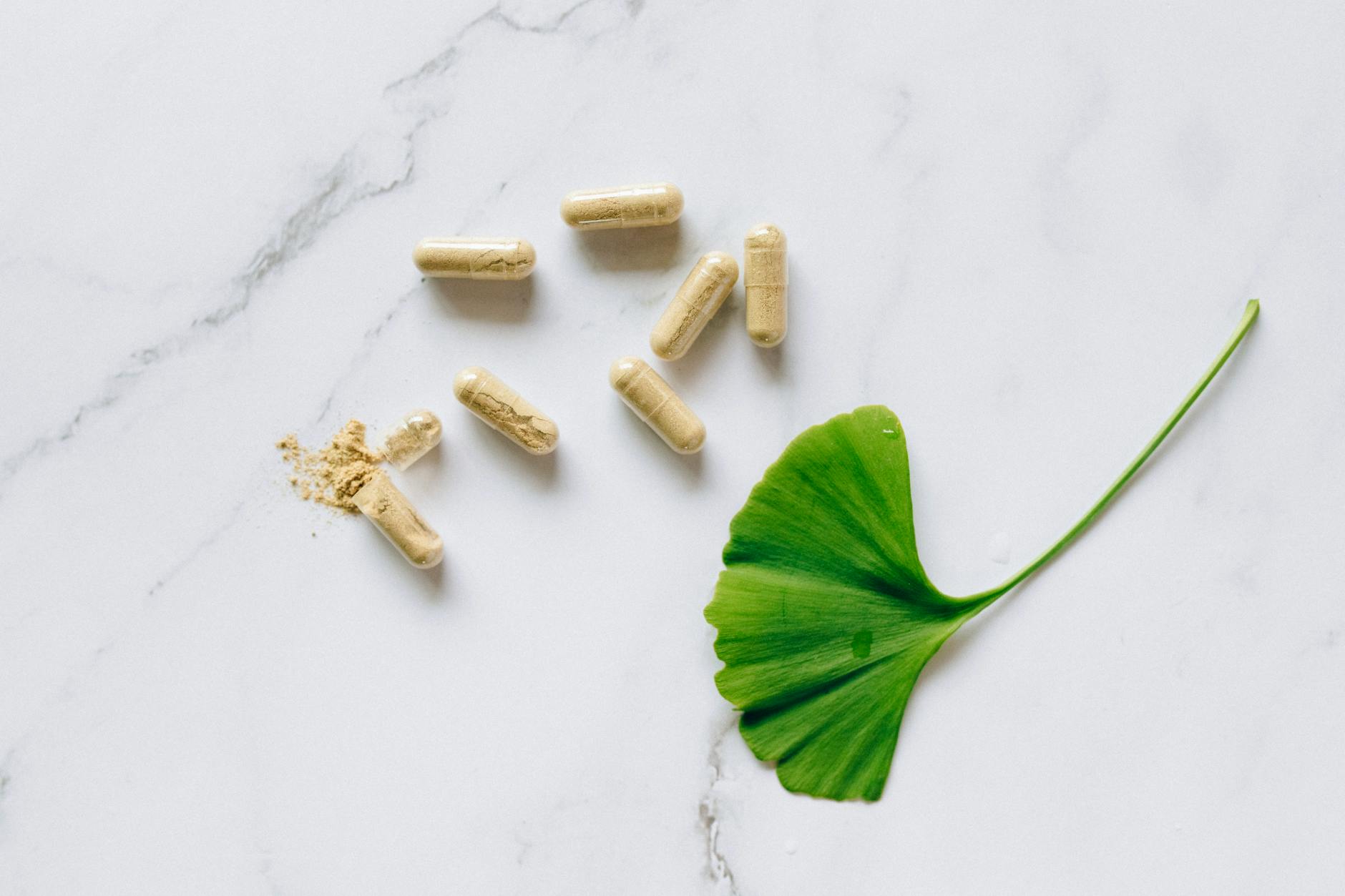
Herbal supplement lawsuits are class action cases filed against manufacturers and retailers for selling products that don’t contain what’s advertised on the label, are contaminated with harmful substances, or cause serious health complications. In one recent case, John Hollis sued Walgreens in Washington, D.C. after discovering that the company’s store-brand Ginkgo Biloba supplement contained rice and other fillers instead of actual Ginkgo Biloba—a practice that turned out to be widespread across the supplement industry.
These lawsuits represent one of the fastest-growing areas of consumer litigation, with settlements now exceeding $50 million cumulatively as consumers demand accountability for products that federal agencies have found to be mislabeled, contaminated, or dangerous. The herbal supplement market is largely unregulated compared to prescription medications, which creates conditions where fraudulent or dangerous products can reach store shelves. Consumers purchasing supplements at major retailers like Walgreens, Walmart, Target, and GNC have discovered that they’re paying for products that contain wrong plants, dangerous contaminants, or unlisted allergens. Multiple state attorneys general have launched investigations, the FDA has issued recall alerts, and judges have approved settlements totaling millions of dollars—signaling that companies can no longer ignore quality control failures in this $50 billion industry.
Table of Contents
- What Are the Main Herbal Supplement Lawsuits Currently in Court?
- Regulatory Failures That Triggered Investigation & Enforcement
- High-Value Settlements That Show the Scale of the Problem
- What Health Risks Are Driving These Lawsuits?
- How Manufacturers Get Away with Substitution and Contamination
- Settlement Compensation: What Do Affected Consumers Actually Receive?
- What Comes Next for Herbal Supplement Litigation?
- Conclusion
- Frequently Asked Questions
What Are the Main Herbal Supplement Lawsuits Currently in Court?
The most high-profile case involves Walgreens, where the retailer faces allegations that its Ginkgo Biloba supplement was sold under false pretenses. Legal representation through Bailey & Glasser LLP revealed through DNA analysis that the product didn’t contain the plant species listed on the label. This case is particularly important because it targets a major national retailer, not a small manufacturer—suggesting that brand names consumers trust may be hiding supply chain problems or deliberate substitution. Beyond Walgreens, regulators have identified systemic fraud across multiple retailers.
The New York Attorney General took action against Target, Walmart, Walgreens, and GNC after DNA testing revealed shocking results: only 21% of store-brand herbal supplements actually contained the plant species listed on the label, while 79% either contained no DNA from the advertised plant or were contaminated with other materials. This wasn’t a minor mislabeling issue—it was comprehensive substitution across dozens of products. Consumers buying these supplements believed they were purchasing specific medicinal plants but were actually getting rice fillers, unrelated plants, or contaminated mixtures. Texas authorities separately sued Smokey’s Paradise, a kratom retailer, after discovering that the company’s products contained nearly 50 times the legal limit of the kratom compound 7-OH. Unlike the substitution fraud seen with Walgreens and major retailers, this case highlights a different problem: manufacturers and retailers selling herbal products with dangerously high concentrations of active ingredients that can cause serious side effects.

Regulatory Failures That Triggered Investigation & Enforcement
The FDA issued a safety alert on May 2, 2026, regarding Hing (Ferula Asafoetida) products that may contain wheat flour—a major food allergen that posed a hidden risk to consumers with celiac disease or wheat allergies who purchased these supplements without any warning. The alert demonstrated that even as lawsuits were being filed and settlements approved, contaminated products were still reaching consumers. The FDA’s repeated need to issue recalls and alerts suggests that voluntary industry compliance is insufficient to protect public health. What makes regulatory failures particularly damaging is that herbal supplements are exempt from the same pre-market approval requirements that pharmaceutical drugs must meet. This means manufacturers can sell products with minimal safety testing, minimal quality control, and minimal consequence—until a state attorney general investigates or consumers file a lawsuit.
The New York Attorney General’s DNA testing project uncovered fraud that should have been caught through standard quality assurance, yet these products had been sold for months or years before being pulled from shelves. For consumers, this creates a significant trust gap: a product can sit on a Walgreens shelf with a major retailer’s own name on it and still contain completely different ingredients. The limitation here is important: even with regulatory action and lawsuits, herbal supplement fraud may be difficult to prevent entirely. The supply chain is global and opaque, testing is expensive, and enforcement budgets are limited. Some manufacturers have already gone out of business or relocated overseas, making it harder for regulators to hold them accountable after consumers have been harmed.
High-Value Settlements That Show the Scale of the Problem
The most significant settlement to date was the Botanic Tonics Feel Free Kratom case, which received final approval on October 20, 2025, for $8.75 million. This settlement addressed allegations that the company’s kratom-containing drinks were marketed as safe and natural while concealing opioid-like addiction and withdrawal risks. The case is instructive because it reveals a second type of herbal supplement fraud: not just mislabeling or contamination, but knowingly selling products with serious addiction potential while marketing them as wellness supplements. Consumers who purchased Feel Free Kratom drinks expecting a safe herbal beverage ended up dealing with withdrawal symptoms similar to opioid dependence. Herbalife, a multi-level marketing company that sells nutritional and herbal supplements, has faced multiple major settlements.
In one case, the company agreed to set aside $15 million in cash for distributors plus $2.5 million for product refunds, along with 12 or more new corporate compliance policies. In a separate case, Herbalife paid $12.5 million to settle disputes over event costs charged to distributors. The Herbalife settlements are notable because they involve not just product fraud but also the predatory structure of pyramid schemes—distributors were encouraged to recruit others rather than sell to actual consumers, and the company’s supplement products were used as the justification for the scheme. Another major case still pending is Balance of Nature Products, which held a final approval hearing on March 6, 2026, with a decision pending. This ongoing case suggests that the wave of herbal supplement litigation is likely to continue producing settlements in the millions of dollars as more tests reveal contamination and mislabeling across the industry.

What Health Risks Are Driving These Lawsuits?
The health consequences of contaminated or mislabeled herbal supplements are not abstract—they include kidney failure, heart problems, depression, and addiction. When a consumer buys what they think is a safe herbal supplement and receives a product with wrong ingredients or dangerously high concentrations of active compounds, the results can be severe. The Texas kratom case illustrates this: a product with 50 times the normal amount of an alkaloid compound can trigger serious cardiovascular and neurological effects that a consumer would never expect from a supplement labeled as containing standard kratom. For investors in herbal supplement companies or retailers like Walgreens, these lawsuits represent significant financial exposure.
For consumers, the risks are more personal: money spent on supplements that don’t contain what’s advertised, plus potential health consequences from contaminated or substituted products. Some consumers have reported that they purchased these supplements specifically because they believed in the health benefits of the advertised plant (ginkgo for memory, kratom for pain relief), only to discover they never received the product they paid for. The comparison is important: if a pharmaceutical company sold a medication containing only filler or a different drug entirely, it would face criminal charges immediately. Yet herbal supplements, because they’re minimally regulated, can be sold with false labels and generate lawsuits instead of criminal prosecution—at least until multiple investigations reveal systematic fraud.
How Manufacturers Get Away with Substitution and Contamination
Substitution happens because herbal ingredients are sourced globally from suppliers with minimal oversight. A manufacturer orders Ginkgo Biloba from a supplier but receives a cheaper substitute or a blend containing rice fillers. The manufacturer may or may not test the raw materials before processing them into capsules or tablets. By the time the product reaches a retail shelf, contamination or substitution has already occurred—and without DNA testing, no one would notice that a Ginkgo Biloba capsule contains almost no Ginkgo Biloba. Contamination often occurs through the same supply chain gaps. When the FDA discovered wheat flour in Hing products, it wasn’t necessarily a deliberate addition—it may have been cross-contamination at a manufacturing facility or a supplier mixing batches.
However, the effect is the same: a consumer with a wheat allergy is exposed to a dangerous allergen they thought they were avoiding by purchasing herbal supplements. A critical limitation in current oversight is that many herbal supplements sold in the U.S. are manufactured overseas, making enforcement slow and difficult. By the time a U.S. state attorney general identifies a problem and files a lawsuit, the retailer may have already removed the product from shelves, distributors may have moved on to new products, and the original manufacturer may be difficult to locate or sue in U.S. courts. This enforcement gap is why settlements become important: they create financial consequences that incentivize compliance, at least for large retailers who can’t simply disappear when sued.

Settlement Compensation: What Do Affected Consumers Actually Receive?
Settlement amounts often divide between cash payments to class members and payments to attorneys, with the remainder going to the manufacturer or retailer for compliance improvements. In the Botanic Tonics Feel Free Kratom settlement, the $8.75 million was distributed to affected consumers—those who purchased the product and could prove their purchase.
📨 Get Free Mass Tort Guides Alerts
Free · No spam · Unsubscribe anytime
The actual per-person payout varies depending on the number of claims submitted; a settlement with 100,000 claimants yields much smaller individual payments than one with 10,000 claimants. In the Herbalife settlements, direct payments to consumers came through product refunds ($2.5 million total) and distributor reimbursements ($15 million), but the compensation for someone who purchased a contaminated Herbalife supplement would have been far smaller than those who participated in the multi-level marketing scheme. This illustrates an important tradeoff: consumers often want maximum compensation, but settling class actions requires balancing individual payments against realistic fund availability and proving actual harm.
What Comes Next for Herbal Supplement Litigation?
The herbal supplement industry faces mounting pressure from multiple directions: state attorneys general continuing investigations, the FDA issuing safety alerts on contaminated products, and class action lawsuits creating financial consequences for both manufacturers and major retailers. The Walgreens case signals that even trusted brand names cannot rely on regulatory leniency, and the New York Attorney General’s DNA testing project suggests that similar investigations in other states may uncover comparable fraud.
Looking forward, the trend points toward stricter enforcement and industry consolidation. Larger retailers are implementing or improving supply chain testing to avoid litigation, smaller manufacturers without resources for quality control may be forced out of business, and consumers are becoming more aware that “herbal” doesn’t necessarily mean “safe” or even “what’s labeled.” The settlements already approved and those pending suggest that herbal supplement litigation will remain a significant area of class action law for years to come.
Conclusion
Herbal supplement lawsuits represent a critical accountability mechanism in an industry that has long operated with minimal federal oversight. From Walgreens selling Ginkgo Biloba that contains rice instead of ginkgo, to multiple retailers selling supplements with no DNA from the advertised plant, to manufacturers packaging dangerous kratom concentrations—these cases have exposed widespread fraud and contamination affecting millions of consumers. Settlements totaling tens of millions of dollars signal that companies can no longer ignore quality control failures, and regulatory action from state attorneys general and the FDA suggests that enforcement is accelerating.
If you purchased herbal supplements from any major retailer in the past several years, you may be eligible for compensation from an existing settlement. Checking the specific settlement websites and speaking with an attorney who handles these cases can help you determine your rights. The industry is likely to see continued lawsuits, investigations, and settlements as more testing reveals the gap between what consumers are buying and what they actually receive in the bottle.
Frequently Asked Questions
Are all herbal supplements unsafe or contaminated?
No. Many legitimate manufacturers maintain quality control and sell supplements that match their labels. However, the widespread contamination found in store brands suggests that smaller manufacturers and private-label products warrant additional scrutiny. Consumers should research manufacturers, look for third-party testing certifications, and be skeptical of extremely low prices.
Can I join a herbal supplement lawsuit if I purchased a contaminated product?
You may be eligible for existing settlements if you purchased the specific product named in the lawsuit. You can check settlement websites listed in court documents or contact a class action attorney to determine your eligibility. Deadlines for submitting claims vary by settlement, so acting quickly is important.
What does “no DNA from the advertised plant” actually mean?
It means DNA testing found zero genetic material matching the plant listed on the label. Instead, researchers found DNA from other plants, rice, fillers, or nothing recognizable. This proves either complete substitution with a different ingredient or such significant dilution that the advertised plant is effectively absent.
How much money do consumers typically receive from settlements?
Payouts vary widely depending on the settlement fund size and number of claims submitted. Some settlements pay $10-50 per claim, while others with smaller claim numbers may pay several hundred dollars per person. Amounts are also reduced by attorney fees, typically 25-33% of the settlement.
Who is responsible—the manufacturer or the retailer?
Both can be held liable. Manufacturers are responsible for what goes into the product, but retailers like Walgreens, Walmart, and Target are responsible for testing and verifying products they sell under their own brand names. Major retailers have faced settlements for failing to catch obvious fraud.
What should I do if I think I purchased a contaminated supplement?
Check the FDA website for active recalls, visit the websites of major settlement cases to see if your product is included, and speak with a healthcare provider if you experienced adverse effects. Document your purchase (receipt, packaging, lot number) in case you need to file a claim.