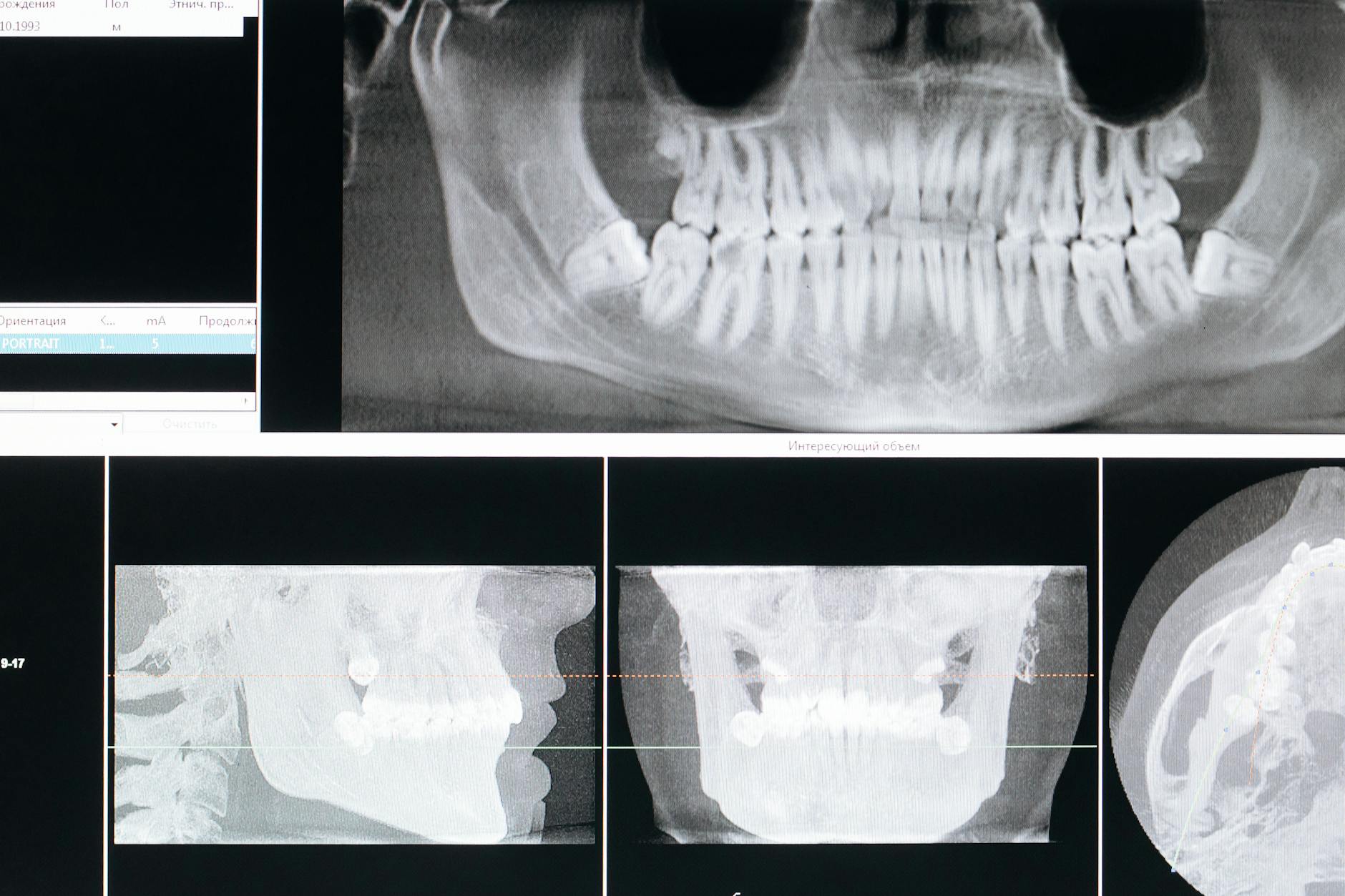
A dental bone graft lawsuit is a legal action filed by patients who suffered injury or complications from bone graft procedures or defective bone graft materials used in dental surgery. These lawsuits typically arise when bone grafts are contaminated, improperly marketed, or cause serious infections after implantation. The most notable example is the Aziyo Biologics bone graft litigation, where over 100 patients developed tuberculosis infections after receiving contaminated bone matrix products in 2021, resulting in eight deaths and triggering two separate product recalls.
Dental bone grafts are commonly used in oral and maxillofacial surgery to rebuild bone in the jaw before dental implant placement or to repair bone lost to trauma, disease, or extraction. When these materials are contaminated, improperly manufactured, or marketed with inadequate warnings about risks, patients can suffer serious complications including infection, failed implants, chronic pain, and even life-threatening diseases. The legal landscape for dental bone graft lawsuits includes both historical settlements involving major manufacturers like Medtronic and ongoing litigation against companies like Aziyo Biologics.
Table of Contents
- What Are Dental Bone Graft Lawsuits and Why Do They Occur?
- The Medtronic Infuse Bone Graft Litigation Legacy
- The Aziyo Biologics TB Contamination Crisis and Active Litigation
- Understanding Your Potential Claim and Settlement Factors
- Contamination and Manufacturing Defects as Primary Liability Sources
- Settlement Amounts and Compensation in Dental Bone Graft Cases
- The Evolving Legal Landscape and Future Outlook
- Conclusion
- Frequently Asked Questions
What Are Dental Bone Graft Lawsuits and Why Do They Occur?
dental bone graft lawsuits emerge from several distinct problems. First, manufacturing defects and contamination can occur during the processing or packaging of bone graft materials, particularly with cadaver-derived bone products. Second, pharmaceutical and medical device companies may engage in deceptive marketing by downplaying risks or failing to warn surgeons about known safety concerns. Third, individual surgeons or dental facilities may perform bone graft procedures negligently, causing direct injury to patients.
The stakes are high because bone grafts are often essential components of complex dental reconstruction, and complications can cascade into multiple surgeries, infections, and permanent damage. Individual dental bone graft malpractice cases have resulted in settlements exceeding $2.5 million when patients suffered significant injury such as bone infection, implant failure, or chronic pain requiring ongoing treatment. For example, a patient who received a contaminated bone graft and subsequently developed an infection requiring multiple revision surgeries would have claims for surgical costs, pain and suffering, lost wages, and permanent disability. Unlike mass tort situations where hundreds of patients are affected by the same defective product batch, individual malpractice cases typically involve claims against a specific surgeon or dental facility.
The Medtronic Infuse Bone Graft Litigation Legacy
The largest dental and orthopedic bone graft litigation in recent history involved Medtronic’s Infuse bone graft product. Between 2001 and 2013, Medtronic faced approximately 6,000 lawsuits related to Infuse, and the company ultimately set aside $300 million to cover litigation expenses according to its 2017 annual report. In May 2014, Medtronic settled roughly 950 Infuse lawsuits for approximately $22 million, an average of about $23,000 per case. Additionally, Medtronic agreed to pay $12 million to resolve deceptive marketing claims in Massachusetts related to bone graft products, settling concerns that the company had inadequately disclosed risks associated with Infuse use.
The Infuse litigation highlighted how marketing practices in the medical device industry can create legal liability. Plaintiffs alleged that Medtronic promoted Infuse for off-label uses beyond its FDA-approved applications and failed to adequately warn surgeons about risks including bone resorption, infection, and adverse inflammatory reactions. However, it’s important to note that most Infuse litigation is no longer active. Attorneys are not currently accepting new Infuse cases, and the historical nature of these lawsuits means that the compensation mechanisms and claim deadlines established years ago may no longer be available to new claimants.
The Aziyo Biologics TB Contamination Crisis and Active Litigation
The Aziyo Biologics TB contamination outbreak represents the most serious active dental bone graft litigation. Between March and April 2021, Aziyo shipped 154 containers of bone repair products to 37 surgical facilities across 20 states. Of these containers, 136 were implanted into 113 patients. The contamination originated from a single cadaver tissue donor who was infected with mycobacterium tuberculosis, the bacterium that causes tuberculosis. Over 100 patients subsequently developed tuberculosis infections following spinal or dental surgery, and tragically, 8 patients died from complications of their TB infection.
Following the discovery of the outbreak, Aziyo voluntarily recalled the affected bone matrix products on June 2, 2021. Notably, the company issued a second voluntary recall of all viable bone matrix products on July 13, 2023, following another TB outbreak. The first lawsuit was filed on June 16, 2021, in the Richard Williams case against Aziyo Biologics and related Medtronic entities. Since then, ongoing litigation has been filed in federal and state courts across multiple jurisdictions including Delaware, Florida, Ohio, Indiana, Michigan, Kentucky, and Oregon. These cases remain active and represent a significant area of current litigation in the dental and orthopedic device field.
Understanding Your Potential Claim and Settlement Factors
If you received a dental bone graft that caused complications, your ability to pursue a claim depends on several factors. First, you must establish that the product was defective, improperly manufactured, or inadequately warned about, or that the surgeon deviated from standard surgical care. Second, you must document that the defect or negligence directly caused your injury, illness, or complication. Third, you must act within applicable statutes of limitation, which vary by state and type of claim but typically range from two to seven years from the date of injury.
Fourth, the compensation available to you depends on your documented losses: medical expenses, lost wages, pain and suffering, permanent disability, and in catastrophic cases, loss of life. The key difference between individual malpractice claims and mass tort litigation is the timeline and compensation structure. Individual cases can take three to five years to resolve and may proceed to trial, offering the potential for higher payouts but also higher risk and expense. Mass tort settlements, like those established for Infuse or Aziyo contamination cases, typically offer faster resolution but often lower average payouts because they pool compensation across hundreds or thousands of claimants. For Aziyo cases, claimants with TB infection have stronger damages claims than those with implant failure alone, because the infection caused systemic illness requiring prolonged antibiotic treatment.
Contamination and Manufacturing Defects as Primary Liability Sources
Cadaver-derived bone grafts carry inherent risks that manufacturers and surgeons must properly manage and disclose. Unlike synthetic bone substitutes, cadaver bone undergoes processing and sterilization, but no sterilization method is 100 percent effective against all pathogens, particularly mycobacterium tuberculosis, which is resistant to many standard sterilization protocols. The critical warning here is that even products from reputable manufacturers can become contaminated if screening of cadaver donors is inadequate or if processing controls fail. The Aziyo case demonstrates that a single infected donor can contaminate multiple product batches shipped across multiple states.
Manufacturers have a legal duty to screen cadaver donors for communicable diseases, use appropriate sterilization protocols, and track products through the supply chain to enable rapid recalls when problems are discovered. When manufacturers fail these obligations, they can face liability not only for direct contamination cases but also for failure to warn surgeons and patients about residual infection risks. In the Aziyo litigation, plaintiffs have alleged that the company failed to implement adequate donor screening, failed to sterilize products sufficiently, and failed to detect contamination before products were shipped. These allegations form the basis for negligence, strict liability, and breach of warranty claims that have been filed in courts across the country.
Settlement Amounts and Compensation in Dental Bone Graft Cases
Settlement amounts in dental bone graft litigation vary widely depending on the severity of injury and the strength of evidence. In the historical Medtronic Infuse settlements, individual payouts averaged approximately $23,000 per case in the 2014 settlement. However, these cases involved various injury types, and cases with more severe complications such as infection or permanent nerve damage typically received higher compensation.
📨 Get Free Mass Tort Guides Alerts
Free · No spam · Unsubscribe anytime
By comparison, individual dental malpractice cases involving bone graft complications have settled for $2.5 million or more, reflecting the higher damages available when a single patient has documented severe injury including surgical revision, infection, disability, and pain and suffering. For the active Aziyo Biologics litigation, settlement values are expected to be substantially higher than historical Infuse settlements because the injuries are more severe: patients infected with tuberculosis face months or years of antibiotic treatment, permanent health complications, and in eight cases, death. Settlement negotiations in these cases will be influenced by the number of claimants, the geographical jurisdiction, and whether states or individuals have already recovered substantial amounts through settlement or judgment.
The Evolving Legal Landscape and Future Outlook
The dental bone graft litigation landscape continues to evolve as more cases are filed against Aziyo Biologics and as any remaining Infuse claimants attempt to recover under previously established settlement structures. Federal multidistrict litigation (MDL) may eventually consolidate many Aziyo cases for more efficient resolution, similar to how Infuse cases were managed. Manufacturers are increasingly focusing on enhanced donor screening, advanced sterilization technologies, and comprehensive tracking systems to prevent future contamination events.
For patients and surgeons, the lesson is clear: bone graft materials carry real risks despite regulatory approval, and product selection should include careful consideration of the manufacturer’s safety record and sterilization protocols. Surgeons should maintain detailed records of all bone graft products used, including lot numbers and expiration dates, to enable rapid notification if contamination is discovered. Patients should report any infections or complications following bone graft surgery promptly, as early detection and documentation can strengthen legal claims if contamination is later discovered.
Conclusion
Dental bone graft lawsuits address serious injuries caused by defective bone graft materials and surgical negligence. The historical Medtronic Infuse litigation resulted in 6,000 lawsuits and $300 million in set-asides, while ongoing Aziyo Biologics litigation involves tuberculosis contamination affecting over 100 patients across multiple states. Individual dental bone graft malpractice cases have resulted in settlements exceeding $2.5 million, demonstrating the significant financial and health consequences of bone graft failures and contamination.
If you underwent dental bone graft surgery and subsequently experienced complications such as infection, implant failure, or serious illness, you may have grounds for a lawsuit. Contact an attorney experienced in medical device litigation and mass torts to evaluate your claim, determine applicable statutes of limitation in your state, and assess your eligibility for compensation. Time is critical in these cases, as settlement windows and claim deadlines can expire.
Frequently Asked Questions
What is a dental bone graft and why is it used in dentistry?
A dental bone graft is bone material—either from a cadaver, animal source, or synthetic substitute—used to rebuild jawbone that has been lost due to tooth extraction, trauma, disease, or periodontal problems. Bone grafts are essential for patients who need dental implants but lack sufficient bone volume. The bone graft integrates with existing bone and provides a foundation for implant placement.
What are the most common complications from defective dental bone grafts?
The most serious complications include infection, bone loss, implant failure, and in the case of contaminated cadaver bone, transmission of communicable diseases such as tuberculosis. Infections may require multiple revision surgeries, prolonged antibiotic treatment, and result in permanent loss of bone or tooth.
Am I too late to file a lawsuit for Medtronic Infuse complications?
Likely yes. The Infuse litigation has largely concluded, and attorneys are not currently accepting new Infuse cases. However, you may still have a claim under state medical malpractice law against the surgeon who performed the procedure. Your state’s statute of limitation, which typically ranges from two to four years from injury discovery, determines your deadline.
What should I do if I received an Aziyo Biologics bone graft product and later developed tuberculosis?
Contact an attorney immediately. Aziyo Biologics TB contamination litigation is active, with cases filed in federal and state courts across multiple states. Gather all medical documentation including the bone graft product lot number, surgical records, and records of any TB diagnosis and treatment. Your case may be eligible for compensation for medical expenses, infection treatment, pain and suffering, and permanent health complications.
How much can I expect to receive in a dental bone graft lawsuit settlement?
Settlement amounts vary dramatically based on injury severity. Historical Infuse settlements averaged around $23,000 per case. Individual malpractice settlements for severe bone graft complications have reached $2.5 million or more. Aziyo TB contamination cases are expected to settle for substantially higher amounts due to the severity of systemic infection and deaths involved. An attorney can estimate your claim value based on your specific injuries and documented losses.
What evidence do I need to prove my dental bone graft claim?
You need medical records documenting the bone graft procedure, proof of subsequent complications or illness, documentation linking the complication to the specific bone graft product or surgeon, expert testimony that the product was defective or the surgeon was negligent, and documentation of all damages including medical expenses, lost wages, and pain and suffering. Expert witnesses from oral surgery, pathology, or manufacturing may be necessary.