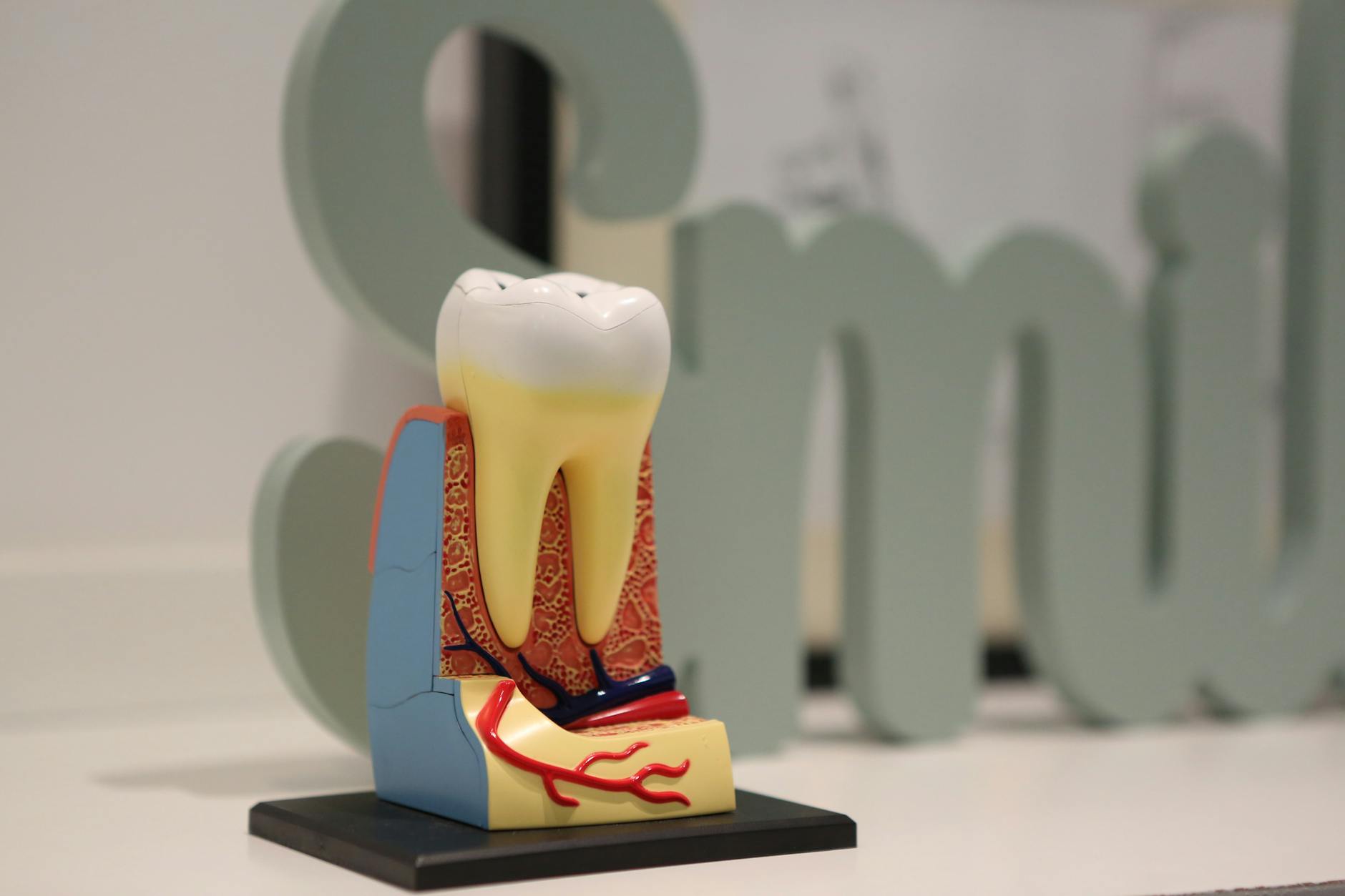
A root canal malpractice lawsuit arises when a dentist or endodontist fails to properly perform root canal treatment, resulting in injury, pain, or additional dental damage to the patient. These cases represent a significant portion of dental malpractice claims—with more than 41,000 endodontic procedures performed daily across the United States and 92% of all dental malpractice claims involving treatment errors. Root canal procedures are technically demanding, and even small deviations from the standard of care can lead to serious complications that qualify for legal compensation. In one notable case, a Connecticut court awarded $4.5 million to a patient after a dentist overfilled the root canal with sealer, causing chronic pain and requiring extensive medical treatment.
Root canal malpractice claims are among the most common in dental litigation because the procedure itself carries inherent risks—the dentist works in a narrow, difficult-to-visualize space deep within the tooth where errors such as perforating the root, breaking instruments, or leaving fragments behind can go undetected initially. From 2000 to 2021, researchers analyzing 97 endodontic malpractice cases found that plaintiffs succeeded in 43% of those cases, with verdicts and settlements ranging from hundreds of thousands to millions of dollars. General practitioners performed 86.6% of the root canals involved in malpractice litigation, suggesting that specialization and experience level significantly impact patient outcomes. If you have suffered from a failed root canal procedure, you may have legal grounds to pursue compensation for medical expenses, additional procedures, pain and suffering, and lost income. Understanding the types of errors that constitute malpractice, the evidence needed to prove your claim, and the typical compensation ranges can help you determine whether pursuing a lawsuit is the right course of action.
Table of Contents
- What Constitutes Root Canal Malpractice and Common Treatment Errors
- How Often Root Canal Malpractice Claims Succeed and What Verdicts Look Like
- Types of Injuries and Long-Term Consequences from Root Canal Negligence
- How to Prove Root Canal Malpractice and Build Your Case
- Challenges and Limitations in Root Canal Malpractice Claims
- Comparing Root Canal Malpractice to Other Dental Malpractice Claims
- Trends and Future Outlook in Endodontic Malpractice Claims
- Conclusion
What Constitutes Root Canal Malpractice and Common Treatment Errors
Root canal malpractice occurs when a dentist deviates from the accepted standard of care during endodontic treatment—the standard being what a reasonably competent dentist would do under similar circumstances. Common treatment errors that form the basis of successful malpractice claims include paresthesia (nerve damage causing numbness, tingling, or chronic pain), root perforation (a hole created in the side of the root), failure to use a rubber dam to isolate the tooth, treating the wrong tooth entirely, and leaving broken instrument fragments or sealer material in the canal. A particularly damaging error is overfilling or over-instrumentation, where the dentist extends filling material or instruments beyond the tip of the root into the surrounding bone and nerve tissue, causing inflammation, infection, or direct nerve injury. One study of malpractice litigation found that patients who developed trigeminal nerve injury—pain and sensory loss in the face caused by damage during the procedure—represented a significant subset of successful claims.
In a $1 million settlement case, a patient suffered permanent nerve injury when the dentist failed to inform them that an instrument had broken inside the tooth and left it there; the patient later developed chronic pain and required nerve surgery. Another common complication is sinus cavity perforation, where the root canal treatment extends into the maxillary sinus above the upper teeth, potentially causing infection and chronic sinusitis. The failure to diagnose or disclose these errors to the patient immediately compounds the malpractice claim. Dentists are expected not only to perform the procedure correctly but also to identify when something has gone wrong—such as a perforation or broken instrument—and either repair it or refer the patient to a specialist. Delaying disclosure or failing to provide appropriate follow-up care constitutes a separate breach of the standard of care and strengthens the patient’s legal case.

How Often Root Canal Malpractice Claims Succeed and What Verdicts Look Like
Data from dental malpractice litigation shows that not all root canal injury claims result in a plaintiff victory. From 2000 to 2021, analysis of 97 endodontic malpractice cases found that defendants prevailed in 54.6% of cases, while plaintiffs won 43% of the time. The remaining cases were either dismissed or settled before verdict. However, when plaintiffs do win, the compensation can be substantial—individual verdicts and settlements have ranged from $1 million to $50 million depending on the severity of the injury and the jurisdiction. A Georgia jury awarded $50 million in a bungled root canal case, while a Connecticut court issued a $4.5 million verdict for a patient who suffered from constant pain due to sealer overfill. One limitation of relying on jury verdicts for estimating potential compensation is that judges sometimes reduce verdicts after trial, and settlement amounts are often confidential, making it difficult to know the full range of outcomes.
The average payout for dental negligence cases nationally is approximately $128,000, though this varies significantly by state and injury severity. In Ohio, the 2023-2025 average settlement was around $60,000 per case, while New Mexico averaged $380,000 per case—a significant disparity that reflects differences in state laws, jury attitudes, and the types of injuries typically litigated in each region. The size of an award depends heavily on the permanence and severity of the injury, the cost of corrective treatment, and whether the patient experienced ongoing pain or disability. A temporary nerve injury that resolves within weeks typically results in a smaller award than permanent facial numbness or chronic neuropathic pain requiring long-term pain management. This distinction is critical: judges and juries are more sympathetic to claims involving irreversible harm. Furthermore, in cases where the defendant is a general practitioner rather than an endodontist, plaintiffs may argue that the dentist fell below the standard of care by attempting a complex procedure without proper training, which can increase the likelihood of success.
Types of Injuries and Long-Term Consequences from Root Canal Negligence
The injuries resulting from root canal malpractice range from temporary discomfort to permanent disability. Trigeminal nerve injury is among the most serious consequences—the trigeminal nerve is the largest cranial nerve and controls sensation in the face. When damaged during root canal treatment, patients experience symptoms including burning pain, numbness, tingling, or a deadened sensation in the lip, cheek, chin, or gum area. These symptoms can be immediate or develop gradually over days or weeks following the procedure, and in many cases they persist for years or become permanent.
Patients with permanent trigeminal nerve injury often require ongoing management with pain medications, nerve blocks, or surgical intervention, such as microvascular decompression or nerve repair procedures. One documented case involved a patient who suffered constant facial pain and numbness after a root canal performed by a general dentist; the pain was so severe that it significantly impaired the patient’s quality of life and ability to work, ultimately resulting in a multi-million-dollar settlement that accounted for lifetime pain management and lost earning capacity. Other serious injuries include sinus cavity perforation, which can lead to chronic sinusitis, recurrent infections, or the need for surgical repair; broken instruments left in the tooth canal, which may cause persistent infection or pain; and root perforation creating a pathway for bacteria to enter surrounding tissues. In some cases, patients undergo multiple corrective procedures, such as endodontic surgery, retreatment by a specialist, or even tooth extraction and implant placement. The cumulative cost of these additional procedures, combined with the pain, time away from work, and psychological impact of medical injury, forms the basis for compensation claims.

How to Prove Root Canal Malpractice and Build Your Case
Proving root canal malpractice requires establishing four elements: that the dentist owed you a duty of care, that they breached the standard of care, that this breach caused your injury, and that you suffered measurable damages as a result. To meet the first two elements, you will typically need expert testimony from another dentist or endodontist who can review the clinical records, imaging, and treatment notes and opine that the defendant dentist failed to act as a reasonably competent practitioner would have in similar circumstances. Dental records are the foundation of your case. These records should include radiographs (X-rays) before, during, and after the root canal treatment; clinical notes describing the diagnosis, technique, and any complications encountered; and photographs if taken. If the malpractice involved overfilling, over-instrumentation, or sinus perforation, the radiographs often provide clear visual evidence.
Your attorney will also obtain records from any subsequent dental or medical treatment you received to address the complications, as these records document the extent of harm and the costs incurred. A practical consideration in building your case is the statute of limitations—most states allow you to file a malpractice lawsuit within a certain timeframe (often 1 to 3 years from the date you discovered, or should have discovered, the injury). Delaying too long can bar your claim entirely, even if you have a strong case. Additionally, some states require you to obtain a certificate of merit from a qualified expert before filing suit, meaning you must secure expert testimony confirming the claim has merit before the lawsuit can proceed. This requirement can increase costs and timeline, but it filters out frivolous claims. Beginning the process early by consulting with a dental malpractice attorney allows you to preserve evidence and meet statutory deadlines.
📨 Get Free Mass Tort Guides Alerts
Free · No spam · Unsubscribe anytime
Challenges and Limitations in Root Canal Malpractice Claims
One significant challenge in root canal malpractice cases is that some complications appear unavoidable despite appropriate care. Root canal treatment inherently carries certain risks—paresthesia, for example, can occur even when the procedure is performed correctly, as the area has dense nerve tissue. To win your case, you must prove that the injury resulted from negligence, not merely a known complication that was properly disclosed and reasonably managed. This burden of proof can be difficult when the defendant can argue that the injury was an accepted risk. Another limitation is the “respectable minority” rule applied in some jurisdictions. If a reasonable minority of dentists practice in a manner different from what your expert considers the standard of care, the court may find that the defendant’s approach, though less common, did not breach the standard of care.
This defense weakens when the defendant is a general practitioner attempting a procedure typically performed by specialists, but it remains a potential obstacle. Additionally, if you failed to follow post-operative instructions, such as avoiding chewing on the tooth or pursuing timely follow-up care, the defendant may argue that you contributed to your own injury, which could reduce your damages in a comparative negligence state. Insurance coverage is another practical issue. Most dentists carry malpractice insurance with policy limits—if your claim exceeds those limits, you may recover only up to the policy ceiling. Since the average dental malpractice policy limits range from $250,000 to $1 million, cases involving permanent trigeminal nerve injury or other severe, lifelong complications may far exceed available coverage. In such situations, pursuing a claim against the dentist personally or establishing a lien against their assets may be necessary, though this is often impractical. These limitations do not eliminate your right to compensation, but they reflect real-world constraints in recovery.

Comparing Root Canal Malpractice to Other Dental Malpractice Claims
Root canal malpractice is not the only type of dental malpractice, but it represents one of the more severe categories because of the risk of permanent nerve injury. By comparison, malpractice claims involving implant placement, orthodontic treatment, or cosmetic dentistry typically involve lower damages because the injuries are often less disabling. Implant failures, for example, are usually correctable through removal and replacement; orthodontic malpractice claims often involve misalignment requiring additional treatment rather than permanent injury; and cosmetic dentistry errors, while causing distress, may be reversible.
Root canal malpractice stands apart because many of the serious injuries—nerve damage, sinus perforation, and chronic infection—are irreversible and significantly impact quality of life. A patient with permanent facial numbness or chronic neuropathic pain faces a lifetime of symptoms that no corrective procedure can fully resolve. This permanence, combined with the high volume of root canal procedures performed annually (over 41,000 daily), ensures that root canal malpractice remains a substantial area of litigation and a category where substantial compensation is justified. The research data confirms this: when plaintiffs succeed in root canal malpractice claims, average awards tend to be higher than in other dental malpractice categories, reflecting the severity of typical injuries in these cases.
Trends and Future Outlook in Endodontic Malpractice Claims
As technology advances, the standard of care in root canal treatment is evolving. Digital imaging, cone-beam computed tomography (CBCT), electronic apex locators, and rotary instrumentation have all improved the precision and safety of endodontic procedures. However, these advances also establish new benchmarks for what constitutes acceptable care. A dentist who continues to use older techniques after newer, safer methods become standard may be found negligent for failing to adopt technological improvements. Conversely, newer technology does not eliminate malpractice; practitioners must be properly trained in its use, and equipment failure or misinterpretation of imaging can still lead to injury.
The trend in dental malpractice litigation is toward increased awards for permanent injuries, particularly nerve damage. Juries and courts are becoming more sympathetic to patients who experience chronic pain and permanent sensory loss, recognizing that such injuries have lifelong consequences. Additionally, there is growing emphasis on informed consent—patients increasingly win cases based not only on technical errors but also on claims that the dentist failed to adequately explain risks, obtain informed consent, or disclose complications promptly. As patient awareness of malpractice rights increases, more individuals are pursuing claims, and attorneys are refining legal strategies around nerve injury cases specifically. For patients considering a claim, this environment is favorable; for dentists, the incentive to maintain the highest standard of care, use appropriate technology, and document informed consent discussions has never been greater.
Conclusion
Root canal malpractice lawsuits compensate patients for injuries caused by treatment errors—including nerve damage, root perforations, broken instruments, and sinus complications—that result in chronic pain, additional procedures, or permanent disability. With more than 41,000 root canal procedures performed daily in the United States and 92% of dental malpractice claims involving treatment errors, endodontic malpractice is a common and serious issue. Successful plaintiffs have recovered from hundreds of thousands to tens of millions of dollars, though outcomes vary based on the severity of injury, jurisdiction, and strength of expert testimony. Understanding what constitutes malpractice, the types of injuries that justify claims, and the challenges in proving negligence is essential for anyone considering legal action.
If you believe you have been injured by a failed root canal procedure, consult with a dental malpractice attorney as soon as possible to preserve evidence, obtain expert evaluation, and meet statutory deadlines. Your case’s value depends on the permanence of your injury, the costs of corrective treatment, and your lost quality of life. An experienced attorney can evaluate whether your claim exceeds the defendant’s insurance coverage, guide you through expert testimony requirements in your state, and negotiate or litigate on your behalf. Time is a critical factor in these cases—acting promptly protects your legal rights and increases the likelihood of fair compensation.