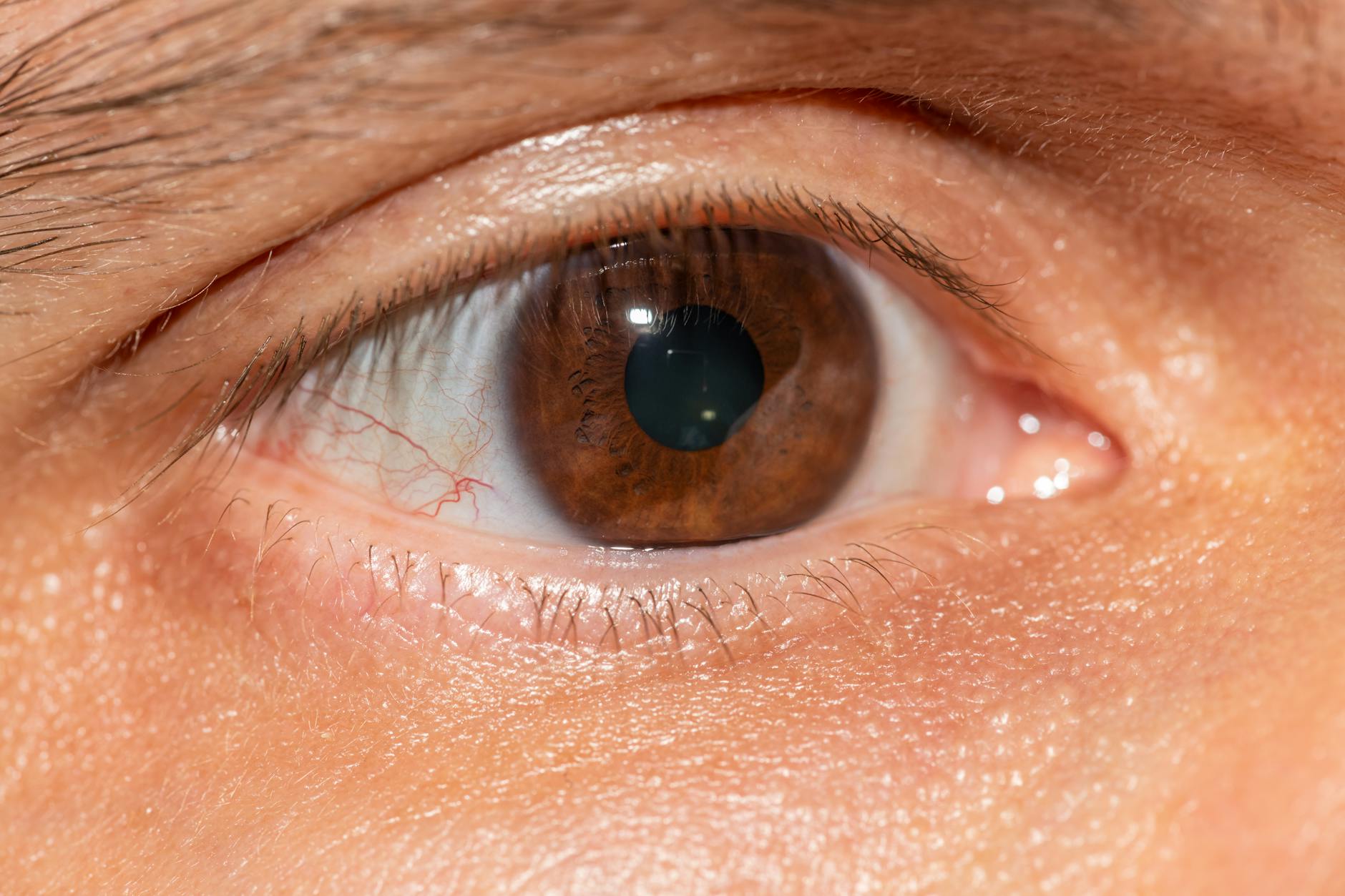
A lens implant defect lawsuit typically refers to legal claims filed against medical device manufacturers when intraocular lenses (IOLs)—artificial lenses implanted during cataract surgery—fail to perform as designed or cause complications. The most significant recent example involves Bausch + Lomb’s voluntary recall of approximately 285,000 enVista intraocular lenses announced on April 3, 2025, which the FDA later designated as a Class I recall, the agency’s most serious classification. These lenses, implanted in patients between August 2024 and April 2025, were contaminated with materials supplied by a third-party vendor that triggered cases of Toxic Anterior Segment Syndrome (TASS), a serious inflammatory reaction affecting the front portion of the eye.
The defect affects thousands of patients who underwent routine cataract surgery believing they were receiving a safe, approved medical device. While only 1–2% of implanted lenses have been linked to complications so far, and no lens removals have been deemed necessary as of available reports, patients who develop TASS face unexpected inflammation, pain, and potential vision damage. Multiple lawsuits are now being filed against Bausch + Lomb, with law firms across the country reviewing cases on behalf of affected patients rather than pursuing a single consolidated class action.
Table of Contents
- What Are Intraocular Lens Defects and Why Do They Matter?
- The Bausch + Lomb enVista Recall: Timeline and Scope
- Understanding Toxic Anterior Segment Syndrome (TASS)
- Medical Outcomes and Treatment Response
- Surgical Intervention and the Need for Lens Removal
- Current Litigation Status and Legal Claims
- FDA Oversight and Future Implications
- Conclusion
What Are Intraocular Lens Defects and Why Do They Matter?
Intraocular lenses are artificial implants designed to replace the eye’s natural lens after it becomes cloudy with cataracts. For decades, these devices have been considered routine and safe, with millions implanted worldwide each year. However, when manufacturers fail to meet quality standards or fail to detect contamination in the manufacturing process, patients implanted with defective lenses can experience serious complications. Unlike medication recalls that patients can stop taking, an implanted lens cannot be easily removed without additional surgery, leaving patients potentially stuck with a defective device in their eye. The Bausch + Lomb recall exemplifies how contamination can slip past quality controls. The contaminated lenses were the enVista Aspire, enVista Envy, and certain enVista Monofocal and Toric models—four of the company’s most widely distributed products.
The defect stemmed from raw materials supplied by a third-party vendor that likely introduced particles or residue into the lens during manufacturing. The problem was not immediately obvious; implanted lenses didn’t fail right away, but instead triggered inflammatory reactions in the days following surgery. This delayed onset meant many surgeons and patients didn’t initially connect their post-operative complications to the lens itself. What distinguishes this defect from isolated manufacturing errors is both the scale and the severity of the health consequences. With approximately 285,000 lenses distributed and thousands implanted during the recall window, the potential liability is enormous. Unlike a class action lawsuit where one court oversees all claims, the enVista litigation is being handled through multiple individual lawsuits, a process that can take years to resolve and varies significantly depending on each patient’s outcome and jurisdiction.

The Bausch + Lomb enVista Recall: Timeline and Scope
Bausch + Lomb discovered the problem and announced the voluntary recall on April 3, 2025, notifying healthcare providers and patients that certain lots of enVista lenses should not be implanted. The FDA did not immediately classify the recall; however, by May 2025, the agency elevated it to Class I status, a designation reserved for medical devices that may cause severe injury or death. This FDA classification dramatically increased the seriousness of the situation in the eyes of regulators, manufacturers, and the courts, signaling that the defect was not a minor quality issue but a genuine threat to patient safety. The scope of the recall is staggering: approximately 285,000 affected lenses were distributed in the U.S. and internationally. However, the actual number of implanted lenses is likely lower, as not every distributed lens was surgically inserted.
Still, given that cataract surgery is one of the most common surgical procedures in the United States, with millions performed annually, even a fraction of 285,000 represents tens of thousands of affected patients. The lenses were implanted between August 2024 and April 2025, a roughly eight-month window. Patients who underwent cataract surgery during this timeframe and received one of the recalled enVista models may be entitled to compensation. A critical point: only 1–2% of implanted lenses have been linked to complications as of the available reports, which means the vast majority of patients who received these lenses have not experienced problems. This creates a legal and medical complexity. Patients without symptoms may face a difficult choice: remain vigilant for signs of trouble, pursue preventive lens replacement, or simply monitor their vision. Those who do develop TASS have a clear connection between the defective lens and their injury, making their cases stronger.
Understanding Toxic Anterior Segment Syndrome (TASS)
Toxic Anterior Segment Syndrome, or TASS, is a sterile inflammatory reaction that develops in the anterior chamber—the front part of the eye filled with fluid—typically within 12–48 hours after cataract surgery. Unlike an infection, which would involve bacteria or viruses, TASS is a chemical or toxic irritation triggered by contaminants or residues introduced during surgery or via a contaminated implant. Symptoms include redness, swelling, light sensitivity, and discomfort that can be severe. Patients often report excessive tearing and blurred vision, and some describe the experience as acutely painful. The incidence of TASS in typical cataract surgery is relatively low—approximately 0.22% of cases, based on data from major eye hospitals. However, when a defective lens contaminates multiple surgeries, TASS incidence rates can spike dramatically.
The Bausch + Lomb contamination triggered significantly higher rates of TASS than would be expected for routine cataract surgery, which is how the problem was identified. Ophthalmologists noticed a cluster of unusual cases and traced them back to the recalled lens lots. The critical limitation is that TASS is not always easily diagnosed initially. In the hours and days immediately after cataract surgery, mild inflammation and swelling are normal and expected as the eye heals. Distinguishing between normal post-operative inflammation and TASS requires experienced judgment and often develops as symptoms persist or worsen. By the time TASS is definitively diagnosed and treated, the inflammation may have already caused structural damage to internal eye tissues.
Medical Outcomes and Treatment Response
The good news about TASS is that most cases respond well to steroid treatment, which suppresses the inflammatory reaction. Research from major eye hospitals shows that 96.7% of TASS cases achieved best corrected visual acuity of 6/9 or better one month after treatment—meaning patients regained good functional vision relatively quickly. This explains why some patients with early-onset TASS may have avoided serious long-term damage after receiving prompt diagnosis and treatment. However, this outcome data comes from cases identified and treated aggressively, often in tertiary care centers. Patients treated in smaller clinics or those whose TASS went initially unrecognized may have had worse outcomes.
Additionally, the 96.7% success rate refers only to TASS cases; it does not account for patients whose contaminated lenses triggered other types of complications. The most concerning finding is that if TASS remains unresolved after 6 weeks of medical treatment, permanent damage is likely despite continued therapy. This creates a critical window: early recognition and aggressive treatment are essential to preventing lasting vision loss. Beyond the acute TASS phase, complications can develop months later. Follow-up data at 6 months post-surgery showed that 24% of TASS cases developed atrophic iris changes (thinning and damage to the iris), 16% experienced posterior capsule opacification (clouding behind the lens implant), 12.5% developed anterior capsule phimosis (fibrotic scarring that can distort the lens), and 4% developed cystoid macular edema (fluid accumulation in the macula, the central vision area). These delayed complications indicate that even when acute TASS is successfully treated, the underlying damage can persist and cause years of vision problems.
📨 Get Free Mass Tort Guides Alerts
Free · No spam · Unsubscribe anytime
Surgical Intervention and the Need for Lens Removal
One of the most serious outcomes is the need for additional surgery to address complications caused by TASS. In major TASS outbreaks, 29.3% of cases required surgical intervention, including anterior chamber irrigation (flushing out toxic material), vitrectomy (removal of the vitreous gel), or removal of the intraocular lens entirely. Each of these procedures carries its own risks and requires the patient to undergo another anesthesia event and recovery period. The prospect of needing a second surgery to remove or reposition a lens implant that was supposed to be permanent creates significant trauma and expense for patients. Not only do they face another surgical procedure, but they also face uncertainty about their final visual outcome.
If a lens must be removed, the patient may need a contact lens or glasses for distance vision, losing the convenience that the IOL was supposed to provide. Some patients may require repeated procedures if complications recur or if the eye’s anatomy changes over time. The limitation of current data is that the Bausch + Lomb recall is very recent, and long-term follow-up information is still limited. The 29.3% surgical intervention rate comes from historical TASS outbreaks, not specifically from the 2024–2025 enVista contamination. Some patients may not yet have developed delayed complications, or their complications may not yet be severe enough to require intervention. As months and years pass, the true complication and re-operation rates may become clearer.

Current Litigation Status and Legal Claims
Multiple lawsuits have been filed against Bausch + Lomb following the enVista recall, but the litigation is taking a different path than a traditional class action lawsuit. Rather than consolidating all claims into a single case managed by one judge and one set of plaintiff attorneys, affected patients are filing individual lawsuits or small group claims. Multiple law firms across the country are reviewing cases and representing affected patients, which can create inconsistencies in settlement amounts and trial outcomes depending on jurisdiction and the strength of individual cases. For patients pursuing claims, the legal theory is straightforward: Bausch + Lomb manufactured and distributed a defective product that harmed them. Because the contamination was traced to the manufacturer’s quality control failure (specifically, materials supplied by their third-party vendor), the company bears responsibility.
Patients who can document their surgery date, prove they received a recalled lens, and demonstrate that they developed TASS or other complications have the strongest cases. Documentation is crucial—medical records showing the lens model number, the surgery date, and the diagnosis of TASS provide the foundation for a claim. The challenge for plaintiffs is proving causation. While the contaminated lots of enVista lenses are known, and TASS is known to be associated with contamination, proving that a specific patient’s TASS was caused by the defective lens rather than by another factor during surgery requires medical expert testimony. Patients who had pre-existing eye conditions, underlying immune disorders, or other surgical factors may face arguments that their TASS resulted from those factors, not from the lens. Working with an attorney experienced in medical device litigation is essential to navigating these causation arguments.
FDA Oversight and Future Implications
The FDA’s designation of the enVista recall as Class I underscores the seriousness with which federal regulators are treating the contamination. Class I recalls are reserved for situations where there is a reasonable probability that the use of the product will cause serious, adverse health consequences or death. By upgrading the recall classification, the FDA sent a clear signal that the contamination was a significant threat and that the manufacturer’s response was inadequate until recalled.
This recall will likely influence how the FDA oversees intraocular lens manufacturing going forward, particularly regarding third-party supplier oversight and contamination testing. Bausch + Lomb will face heightened scrutiny in FDA inspections, and other lens manufacturers may face increased pressure to demonstrate robust quality controls. For patients, the lesson is that even FDA-approved medical devices can fail, and that defects may not become apparent until thousands of implants are in the field. This underscores the importance of understanding the risks of any implanted device and monitoring post-operative symptoms carefully.
Conclusion
A lens implant defect lawsuit encompasses legal claims filed by patients who have been harmed by defective intraocular lenses, most significantly exemplified by the Bausch + Lomb enVista recall of 2025. The recall involved approximately 285,000 contaminated lenses implanted in tens of thousands of patients who subsequently developed Toxic Anterior Segment Syndrome and other serious eye complications. While the majority of implanted lenses did not cause problems, those patients who did develop TASS faced immediate pain, inflammation, and the risk of permanent vision damage, with some requiring additional surgery to manage or remove the defective lens.
If you or a family member underwent cataract surgery between August 2024 and April 2025 and received an enVista intraocular lens, it is important to contact your ophthalmologist to determine whether your lens was among those recalled. If you have experienced redness, inflammation, vision problems, or other complications following your cataract surgery, consult with a medical malpractice or product liability attorney in your state. Because these cases are being handled as individual lawsuits rather than a consolidated class action, the timeline and process may vary depending on your jurisdiction and the specific circumstances of your case. Acting promptly to document your medical records and preserve evidence is essential to protecting your legal rights.