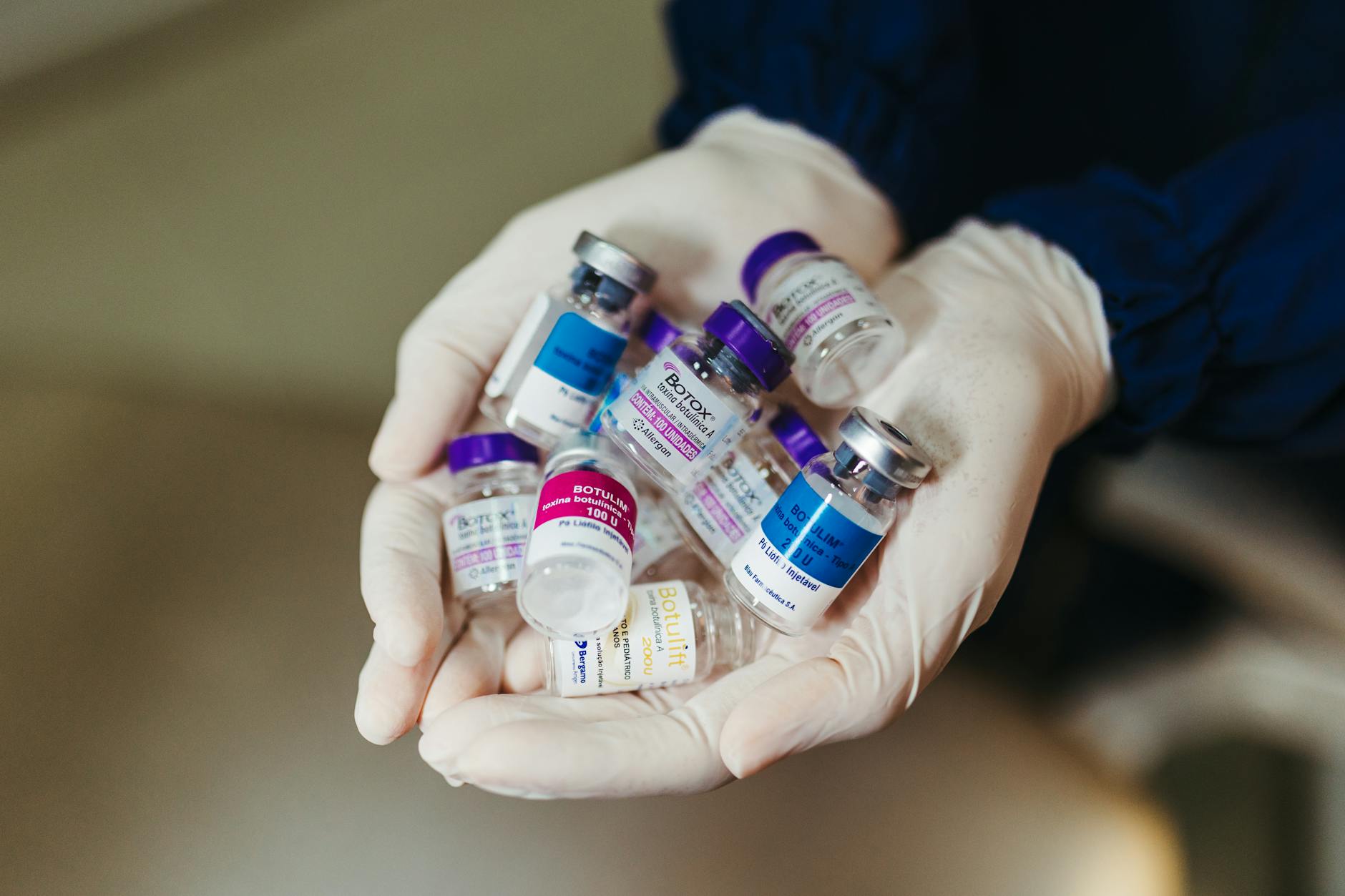
Botox injury lawsuits arise when individuals suffer serious harm from botulinum toxin injections—either from unsafe cosmetic treatments or from counterfeit and unlicensed products. These legal cases represent growing liability exposure for manufacturers and providers who fail to adequately warn patients about risks or who sell unapproved formulations. In 2025, a federal judge ordered Allergan to pay $212 million in compensatory and punitive damages to Douglas Ray, a 67-year-old who suffered brain damage and serious injuries from Botox injections administered in 2007. The judge found that Allergan failed to provide adequate warnings about the risks associated with the product.
Beyond manufacturer liability, lawsuits increasingly target unlicensed injectors and sellers of counterfeit Botox. In 2024, an Oklahoma court upheld a $15 million verdict for a woman who developed botulism poisoning from Allergan’s Botox injections. More recent incidents highlight the dangers of unregulated distribution: the FDA sent warning letters to 18 websites illegally selling unapproved and misbranded Botox products in November 2025, and federal agencies have investigated multiple cases of hospitalization and serious injury tied to counterfeit versions. The expansion of Botox injury litigation reflects both the widespread use of the product for cosmetic purposes and the real dangers posed by improper administration, counterfeit supplies, and inadequate consumer warnings. Victims have grounds to pursue compensation if they received injections that caused serious harm.
Table of Contents
- What Causes Botox Injuries and Who Is Liable?
- The Counterfeit Botox Crisis and Recent FDA Enforcement
- Recent Hospitalizations and Serious Injury Cases
- Documented Serious Side Effects and Medical Consequences
- Manufacturer Warnings and Legal Standards
- Pursuing a Botox Injury Claim
- Regulatory Outlook and Industry Trends
- Conclusion
What Causes Botox Injuries and Who Is Liable?
Botox injuries occur when botulinum toxin spreads beyond the intended injection site or when the product itself is contaminated, counterfeit, or administered improperly. The toxin works by blocking nerve signals that control muscle contraction. When injected correctly in small amounts by a trained physician, side effects are typically minimal. However, systemic spread of the toxin can cause serious complications including muscle weakness, drooping eyelids, vision problems, difficulty swallowing, speech impairment, and in severe cases, respiratory failure requiring hospitalization.
Liability falls to several parties depending on the source of injury. Manufacturers like Allergan face lawsuits when they fail to warn adequately about known risks or when they distribute products that cause harm despite proper administration. In the case of Douglas Ray, the court determined that Allergan’s warning materials did not sufficiently communicate the neurological risks of brain damage. Unlicensed injectors and underground sellers bear liability for administering or distributing unapproved products. Clinics and medical practitioners who perform injections also face claims if they lack proper credentials, inject excessive doses, or inject in inappropriate locations.

The Counterfeit Botox Crisis and Recent FDA Enforcement
Counterfeit and unlicensed Botox has become a major source of injury cases. In April 2025, the FDA alerted healthcare professionals about unsafe counterfeit Botox versions circulating in multiple states that were causing adverse events including hospitalizations. These fake products lack proper quality controls, accurate dosing information, and sterility assurance. The potency and purity of counterfeit botulinum toxin are unpredictable, making serious injury far more likely than with legitimate pharmaceutical-grade Botox.
The FDA’s November 2025 enforcement action underscores the scope of the problem. The agency sent warning letters to 18 websites illegally selling unapproved and misbranded Botox products. Many of these websites target consumers with promises of affordable cosmetic treatments, but the products they sell are either counterfeit, expired, or stored improperly. A key limitation is that law enforcement cannot easily identify or shut down all illicit sellers operating from overseas or through encrypted platforms. This ongoing supply creates a persistent risk for consumers seeking cheaper alternatives to legitimate medical providers.
Recent Hospitalizations and Serious Injury Cases
Recent incidents demonstrate the real dangers posed by contaminated and improperly administered Botox. Between May and August 2025, 10 people were hospitalized after injecting or being injected with unlicensed botulinum toxin products. In a specific example, three individuals in May and June 2025 experienced severe illness after self-injecting cosmetic botulinum toxin purchased online in New York, Texas, and Wisconsin. All three required botulinum antitoxin treatment and experienced lasting symptoms even after recovery.
Earlier data from 2024 reveals the pattern more broadly. Through June 2024, the CDC documented that 17 people from 9 states reported harmful reactions from counterfeit products or unlicensed injectors. Of the 20 individuals with complete medical information available, 11 (55 percent) required hospitalization and 6 (27 percent) needed botulism antitoxin—a specialized medical countermeasure used only in severe cases. These statistics underscore that injuries from unsafe Botox are not rare complications but predictable consequences of counterfeit supply chains and unlicensed administration.
Documented Serious Side Effects and Medical Consequences
The known risks of Botox extend far beyond bruising or temporary drooping. Serious adverse effects include asthenia (loss of strength), generalized muscle weakness, diplopia (double vision), ptosis (drooping eyelid), dysphagia (difficulty swallowing), dysphonia (voice disturbance), dysarthria (speech difficulty), urinary incontinence, and breathing difficulties. These effects can occur hours to weeks after injection. In severe cases, patients experience respiratory compromise requiring mechanical ventilation and ICU admission.
A critical distinction exists between occasional minor side effects from legitimate Botox and the serious systemic effects caused by contaminated or counterfeit products. Minor effects—mild eyelid droop or temporary headache—resolve within weeks for legitimate pharmaceutical Botox. Serious effects from unsafe products may cause permanent disability. The Louisiana Department of Health issued an advisory in 2025 specifically urging residents to avoid Botox injections from unlicensed sources and non-medical settings, recognizing that the risks of serious injury far outweigh any cost savings from unregulated providers.
📨 Get Free Mass Tort Guides Alerts
Free · No spam · Unsubscribe anytime
Manufacturer Warnings and Legal Standards
Manufacturers have a legal duty to warn consumers and medical professionals about known and reasonably foreseeable risks. In the Allergan case resulting in the $212 million judgment, the federal court found that the company’s warnings failed to adequately communicate the risk of brain damage and other serious neurological complications. The manufacturer knew or should have known about these risks through post-market surveillance and scientific literature, yet the product label did not emphasize them with sufficient clarity.
A key limitation in current warning frameworks is that even with adequate labeling, counterfeit and unlicensed products often bear no warnings at all. Consumers purchasing Botox from online sellers or unlicensed injectors may receive no product information, dosing guidance, or safety instructions. Manufacturers cannot fully control how their products are counterfeited or sold through illegal channels, yet they remain the deep-pocket defendants in litigation. The tension in liability law is balancing manufacturer accountability for their actual products against liability for harms caused by entirely separate counterfeit goods bearing the company’s name.

Pursuing a Botox Injury Claim
If you believe you have suffered injury from Botox, establishing a viable legal claim requires proving several elements: that you received an injection of botulinum toxin (either legitimate or counterfeit), that the injection caused identifiable harm, and that someone in the chain of distribution (manufacturer, clinic, injector, or seller) bears responsibility through negligence, failure to warn, or strict product liability. The $15 million Oklahoma verdict and the $212 million federal judgment demonstrate that juries and judges will award substantial damages when evidence of serious injury is clear. Documentation is critical.
Obtain medical records detailing your injuries, the date and location of injection, the name of the person who administered the injection, and any evidence of what product was used. Photographs of visible symptoms and contemporaneous notes about your experience strengthen your claim. Contact an attorney experienced in personal injury and product liability litigation before the statute of limitations expires. Time limits vary by state but typically range from one to three years from the date of injury.
Regulatory Outlook and Industry Trends
The surge in Botox-related litigation and enforcement action reflects a broader shift in FDA oversight and public awareness of counterfeit pharmaceuticals. Federal agencies are increasing their focus on online sellers and illicit distribution networks. The November 2025 warning letter campaign to 18 websites signals heightened enforcement, though the sheer volume of online commerce makes comprehensive regulation difficult.
Expect continued litigation as more individuals harmed by counterfeit or improperly administered Botox pursue legal remedies. For consumers, the safest path forward is obtaining Botox only from licensed medical professionals in regulated healthcare settings using product sourced through legitimate pharmaceutical supply chains. The cost difference between a legitimate provider and unlicensed alternatives—often hundreds of dollars—is modest compared to the potential medical consequences and the substantial legal damages awarded to seriously injured patients.
Conclusion
Botox injury lawsuits represent a growing category of product liability litigation driven by serious harms from counterfeit products, unlicensed injectors, and manufacturer failure to warn. The $212 million federal judgment and $15 million jury verdict demonstrate that courts recognize the severity of neurological and systemic injuries caused by unsafe botulinum toxin use. Recent FDA enforcement and CDC documentation of hospitalizations confirm that these injuries are not isolated incidents but reflect systemic failures in product safety and distribution oversight.
If you have suffered serious injury from a Botox injection, you may have a viable legal claim. Consult with a product liability attorney to evaluate your case, gather medical documentation, and pursue compensation. The expansion of litigation in this area suggests that manufacturers and providers can expect continued legal accountability for failing to ensure product safety and adequately warn patients of known risks.