
A telehealth fraud lawsuit is a legal action brought against telemedicine companies, healthcare providers, or individuals who submit false or unnecessary claims to insurance companies—primarily Medicare and Medicaid—for services that were never properly delivered or weren’t medically necessary. These lawsuits seek to recover fraudulently obtained funds and hold defendants accountable for schemes that have cost taxpayers billions of dollars. In March 2026, Christopher Harwood, the 43-year-old owner of TelevisitMD, pleaded guilty to leading a six-year fraud scheme that defrauded Medicare of $17.9 million through unnecessary orthotic braces and genetic tests ordered via telemedicine, with Harwood personally pocketing $10.4 million before agreeing to repay the full amount.
Telehealth fraud has become one of the fastest-growing categories of healthcare fraud in the United States. The 2025 nationwide enforcement operation charged 324 defendants—including 96 licensed healthcare professionals—across schemes totaling $14.6 billion in intended losses, making it the largest healthcare fraud takedown in history. Among those charged, 49 defendants submitted $1.17 billion in fraudulent Medicare claims specifically tied to virtual care services and genetic testing scams. With approximately 15,504 telehealth companies currently operating in the U.S., federal and state regulators are intensifying investigations into billing practices, prescribing oversight, and kickback schemes that exploit the accessibility and anonymity that online healthcare platforms provide.
Table of Contents
- What Makes Telehealth Platforms Vulnerable to Fraud?
- How Telehealth Fraud Schemes Actually Operate
- Recent Major Telehealth Fraud Cases and Convictions (2025-2026)
- How to Recognize Telehealth Fraud Red Flags
- The Real Impact on Patients, Taxpayers, and Legitimate Telehealth
- Federal and State Enforcement Crackdowns
- What’s Ahead for Telehealth Regulation and Fraud Prevention
- Conclusion
What Makes Telehealth Platforms Vulnerable to Fraud?
Telehealth’s efficiency and accessibility—its greatest strengths—are also what make it attractive to fraudsters. Unlike in-person medical visits, telemedicine interactions leave limited physical evidence and create opportunities for providers to bill for services without proper documentation, medical necessity, or even direct patient contact. Virtual appointments can be completed quickly with minimal oversight, making it easier to submit multiple claims for the same patient or to bill for unnecessary tests and treatments. The regulatory framework for telehealth has historically lagged behind its rapid expansion, creating gaps in supervision and audit trails that bad actors exploit.
A crucial vulnerability is the disconnect between prescribers and dispensers in the telemedicine-pharmacy-DME supplier chain. In the May 2026 conviction of Brett Blackman, founder of HealthSplash/DMERx, a federal jury found him guilty of orchestrating a $1 billion scheme involving fraudulent kickbacks and bribes flowing between his telemedicine company and pharmacies and durable medical equipment (DME) suppliers. These kickback schemes often operate on subscription models—patients pay a monthly fee and receive prescriptions they may not need, while pharmacies and suppliers fill those prescriptions and bill insurance for reimbursement. The distance and digital nature of these transactions make them particularly difficult to detect without sophisticated data analytics and regulatory coordination.
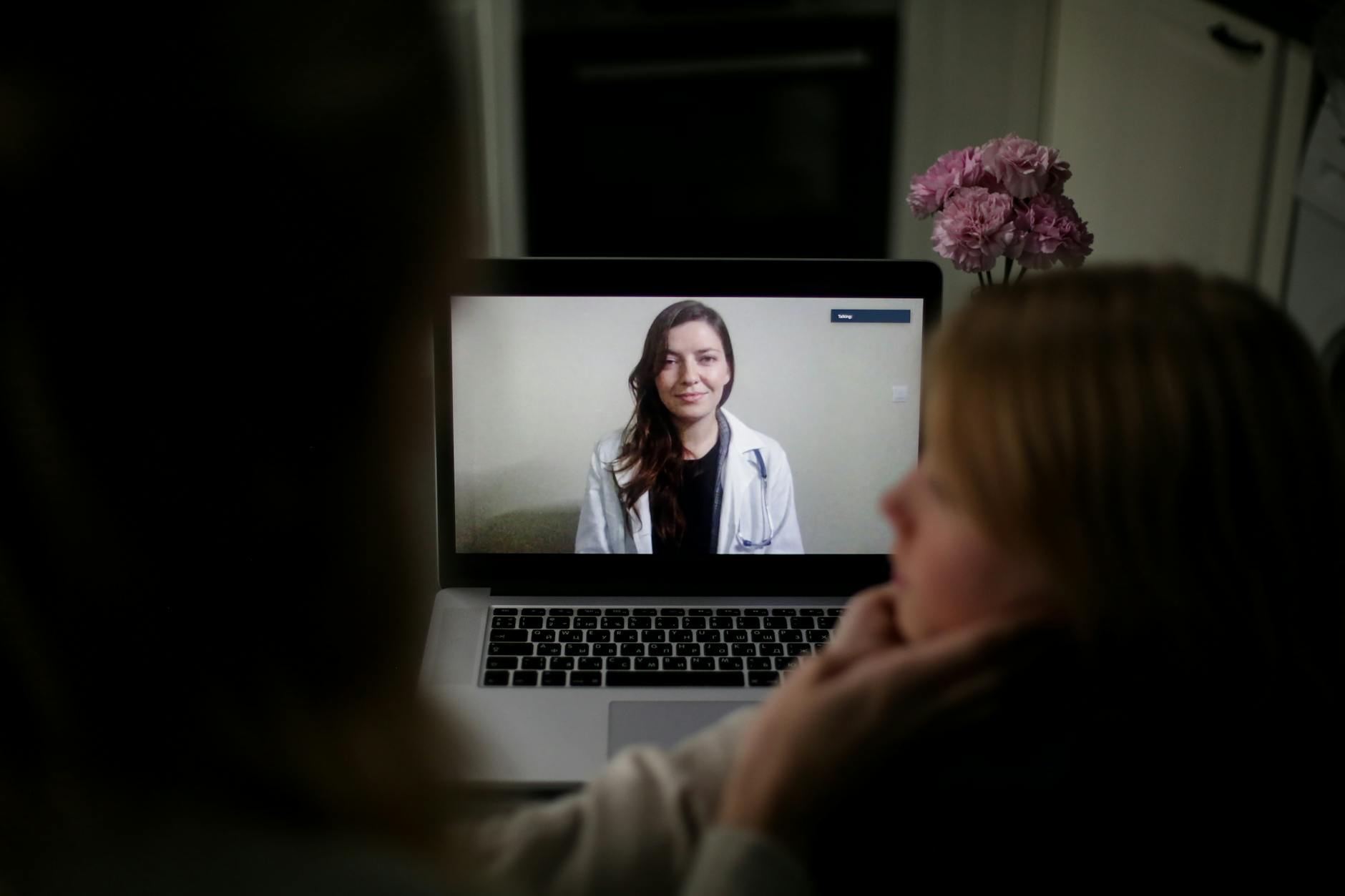
How Telehealth Fraud Schemes Actually Operate
Telehealth fraud typically follows predictable patterns, though the schemes can be complex. A common model involves a telemedicine company partnering with pharmacies or DME suppliers through undisclosed financial arrangements. Patients—often recruited through aggressive online advertising—sign up for subscription services, paying a monthly fee. They may never actually speak with a doctor, or speak with one briefly for a few minutes. The doctor, often working on commission or incentives, orders prescriptions or genetic tests regardless of whether they’re medically justified. The pharmacy fills the prescription (or the lab runs the genetic test) and bills insurance, with kickbacks flowing back to the telemedicine platform. The insurance company—and ultimately taxpayers—foots the bill for services that were either unnecessary or never properly documented.
The Done Global case, prosecuted in federal court, exemplified how extreme this can become. A federal jury found Done Global’s founders guilty of distributing over 40 million pills of Adderall and other controlled stimulants via telemedicine prescriptions. Patients paid a monthly subscription fee and received stimulant medications through an online platform—the DOJ’s first criminal prosecution of a digital health company for drug distribution via telemedicine. This case demonstrates that telehealth fraud isn’t limited to unnecessary DME or genetic testing; it extends to controlled substance distribution that endangers public health while generating profits for the platforms involved. Another common scheme targets vulnerable populations through deceptive advertising. Zealthy, a company that referred patients to telehealth providers, lost its LegitScript medical merchant certification in January 2025 after failing to disclose a DOJ lawsuit against the company. This loss of certification resulted in deactivation from major advertising platforms and payment processors, essentially shutting down the company’s ability to operate. The case shows how dependent these schemes are on maintaining a veneer of legitimacy through industry certifications and advertising partnerships.
Recent Major Telehealth Fraud Cases and Convictions (2025-2026)
The TelevisitMD case stands out as one of the largest recent convictions in this space. Christopher Harwood operated his scheme for six years, systematically ordering unnecessary orthotic braces and genetic tests for patients who had minimal interaction with actual physicians. Medicare ultimately paid $17.9 million in false claims. The case is particularly significant because Harwood’s personal take—$10.4 million—shows the financial incentives driving individuals into fraud. His agreement to repay $17.9 million restitution came only after criminal conviction, and many fraud experts question whether full restitution will ever be collected. The case demonstrates that even multi-million-dollar operations can persist for years before detection, relying on the sheer volume of claims and the difficulty of auditing thousands of transactions across different insurance programs.
The HealthSplash/DMERx case, with its $1 billion criminal conviction in May 2026, represents the largest single telehealth fraud conviction to date. Brett Blackman’s systematic use of kickback schemes to create an entire ecosystem of fraudulent referrals and claims shows the scale at which telehealth fraud can operate. The jury’s conviction sends a message that organizing complex networks of providers and suppliers to commit fraud will result in serious criminal consequences. However, recovery of funds remains uncertain, and many settlements in healthcare fraud cases result in payment plans stretched over years. The Done Global controlled substances case is perhaps the most alarming because it directly endangered public health. Over 40 million prescription pills distributed through telemedicine—many to patients who never had meaningful medical evaluations—represents a public health crisis distinct from simple financial fraud. The fact that this was the DOJ’s first criminal prosecution of a digital health company for this type of distribution suggests there may be other similar schemes operating.

How to Recognize Telehealth Fraud Red Flags
Patients and healthcare providers can identify potential fraud by watching for specific warning signs. If a telemedicine platform prioritizes speed over thorough evaluation—offering prescriptions or medical devices after a conversation lasting only a few minutes—that’s a red flag. Legitimate telehealth can be efficient, but medical necessity still requires proper documentation and clinical judgment. If a provider orders tests or prescriptions without clear medical justification or before understanding your health history, be skeptical. Aggressive advertising is another warning sign. Telehealth companies engaged in fraud often use paid search ads, social media targeting, and other digital marketing to rapidly acquire patients.
Compared to traditional medical practices that rely on word-of-mouth and established reputations, the scale of marketing can signal a business model dependent on high patient volume rather than quality care. The Zealthy case involved exactly this model: a company structured purely to acquire patients and refer them to providers, with minimal regard for whether those referrals made clinical sense. Another red flag involves unsolicited offers. If you’re contacted by a telehealth company because you visited a website about a certain condition, or if you see ads suggesting you can get prescriptions or genetic tests without an appointment, be cautious. Legitimate providers don’t typically recruit patients this way. Additionally, be wary if a provider bills insurance without clear communication with you about what’s being ordered and why. You have a right to understand your medical care, and if a telehealth interaction feels incomplete or rushed, it may be.
📨 Get Free Mass Tort Guides Alerts
Free · No spam · Unsubscribe anytime
The Real Impact on Patients, Taxpayers, and Legitimate Telehealth
Telehealth fraud doesn’t just cost money—it erodes trust in legitimate virtual care options. As more people become aware of fraud schemes, they become reluctant to use telehealth services, even from reputable providers. This undermines one of telehealth’s greatest benefits: expanding access to healthcare for people in rural areas, those with mobility challenges, and patients managing chronic conditions. Regulatory backlash against fraudulent telemedicine companies often creates stricter compliance requirements that legitimate providers must meet, increasing operational costs and potentially limiting access. The financial impact on Medicare and Medicaid is substantial. The 2025 takedown’s $1.17 billion in fraudulent virtual care and genetic testing claims represents funds that could have been used for actual patient care.
In Medicaid programs serving lower-income beneficiaries, fraud directly impacts the services available to vulnerable populations. While the $46.2 million TelevisitMD scheme sounds large, it’s dwarfed by the systemic nature of the 2025 operation, which identified $14.6 billion in intended fraud losses across 324 defendants—suggesting the problem is far larger than any single case. Patients harmed by telehealth fraud may receive unnecessary treatments, inappropriate medications, or invasive genetic testing without genuine medical need. Some fraud victims report receiving genetic tests they never authorized, with results sent to third-party databases. Others describe being prescribed controlled substances without proper medical evaluation, or being billed directly for services they thought insurance would cover. The Done Global case’s 40 million pills distributed through telemedicine represent not just financial fraud but actual harm to patients, many of whom became dependent on medications they shouldn’t have received.

Federal and State Enforcement Crackdowns
Federal enforcement against telehealth fraud has accelerated dramatically. The June 2025 operation represented the largest healthcare fraud takedown in history, with 324 charges and $14.6 billion in intended losses. This wasn’t a handful of cases but a coordinated national strike involving DOJ, HHS-OIG, and multiple state attorneys general. The fact that 96 licensed healthcare professionals were among those charged shows that fraud extends beyond rogue companies to include actual doctors, nurses, and other providers who should know better.
In May 2026, the DOJ launched a new West Coast Strike Force targeting Arizona, Nevada, and Northern California—regions flagged for rising Medicaid, hospice, and tech-enabled fraud. California also increased regulatory scrutiny in April 2026, with state regulators examining billing practices and compliance with documentation, coding, and supervision requirements. This regional focus suggests the DOJ has identified geographic hotspots where telehealth fraud is concentrated, possibly because of specific populations, regulatory gaps, or concentrations of fraudulent providers. The Zealthy case shows that enforcement also targets the infrastructure supporting fraud: advertising platforms, payment processors, and merchant services that enable companies to operate fraudulently.
What’s Ahead for Telehealth Regulation and Fraud Prevention
Telehealth regulation will likely become significantly stricter in the coming years. Enhanced documentation requirements, mandatory real-time supervision of prescribing decisions, and stronger verification of medical necessity are all under discussion. The creation of specialized DOJ enforcement units targeting specific regions suggests a long-term commitment to sustained telehealth fraud enforcement, not just sporadic prosecutions. Technology companies and payment processors are also facing increased pressure to verify that healthcare providers using their platforms have proper credentials and are operating legally.
Industry self-regulation through organizations like LegitScript will become more important as a gatekeeping mechanism. The Zealthy case shows that loss of certification from legitimate industry bodies can effectively shut down fraudulent operations by cutting off advertising and payment channels. As legitimate telehealth companies face increased compliance costs to prove they’re operating properly, they gain a competitive advantage over fraudsters—but only if regulators and platforms maintain strong enforcement. The real challenge ahead is maintaining telehealth’s benefits of accessibility and efficiency while closing the doors to the fraud schemes that have exploited those same qualities.
Conclusion
Telehealth fraud lawsuits will remain a central focus of federal enforcement, as evidenced by the 2025 historic takedown and the new West Coast Strike Force established in May 2026. The cases against TelevisitMD, HealthSplash/DMERx, Done Global, and countless others show that significant money and criminal intent flow through telehealth fraud schemes.
With 15,504 telehealth companies currently operating and many still operating under minimal oversight, the opportunity for continued fraud remains substantial. If you believe you’ve been a victim of telehealth fraud—whether through unnecessary prescriptions, unauthorized billing, or deceptive practices—you may have options for recovery through False Claims Act lawsuits, insurance complaints, or law enforcement referrals. Consulting with an attorney experienced in healthcare fraud can help you understand your options and potential remedies.