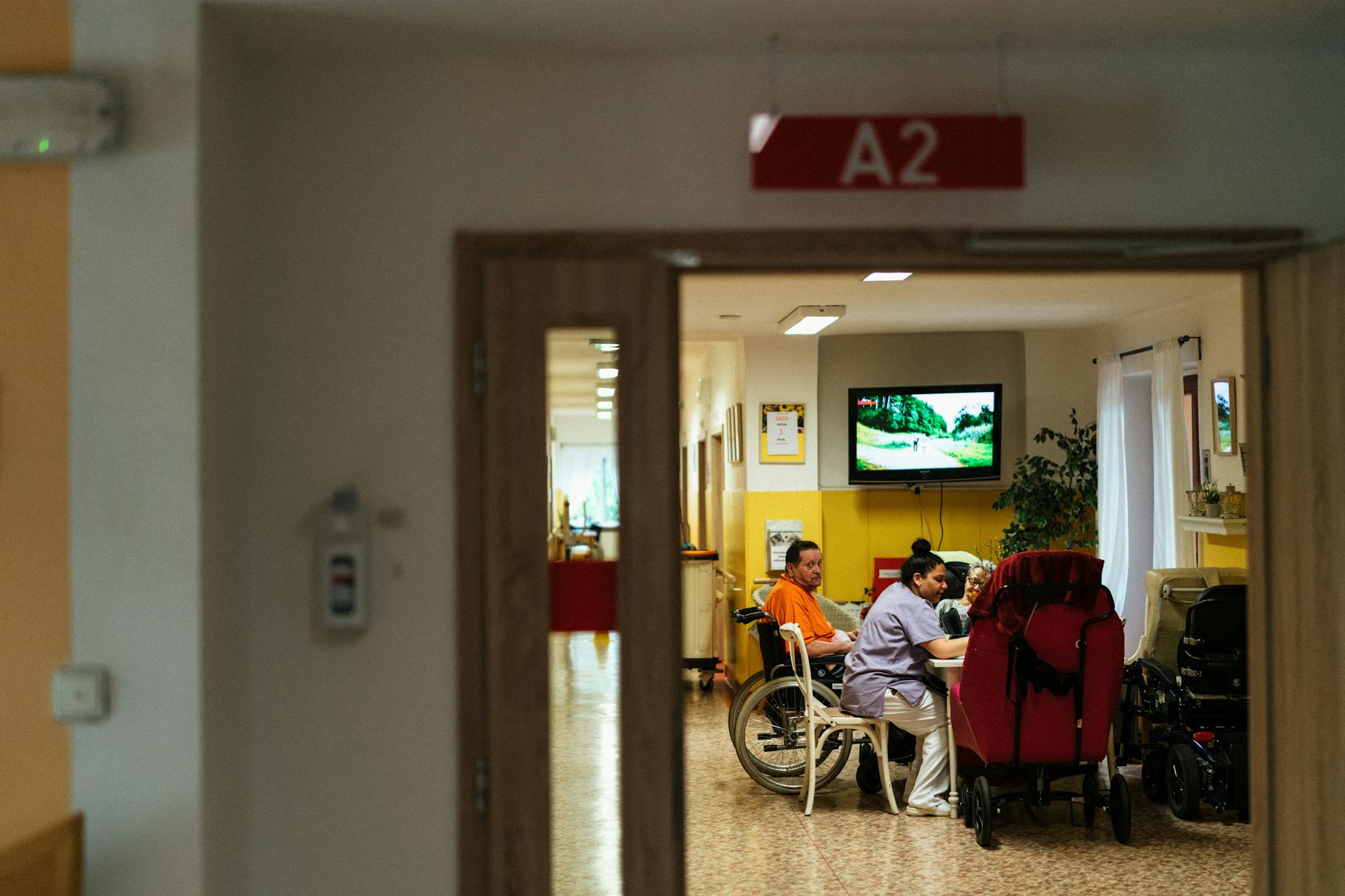
Choking death nursing home lawsuits hold facilities liable for resident deaths caused by choking incidents that result from negligence, improper training, or failure to follow dietary restrictions. These lawsuits typically arise when a nursing home fails to provide adequate supervision during meals, ignores a resident’s swallowing difficulties, or serves food inconsistent with a prescribed diet—resulting in fatal airway obstruction. A Pennsylvania case exemplifies this: a man receiving short-term rehabilitation was served a regular meal despite requiring a pureed diet, choked to death, and his family received a $250,000 settlement against the facility.
Choking represents a serious and often preventable threat in nursing homes. According to recent data, approximately 5,554 choking deaths occurred in the United States in 2022, with elderly individuals bearing the overwhelming burden of risk. People over 65 are seven times more likely to choke than children ages 1 to 4, and nearly half of all choking-related deaths in 2020 involved individuals older than 74 years old. The National Institute of Health ranks choking as the second-highest cause of preventable death among older adults in care facilities, yet many nursing homes continue to fall short in prevention and emergency response.
Table of Contents
- Why Are Nursing Home Residents So Vulnerable to Choking?
- Understanding Negligence and Legal Liability in Choking Cases
- Notable Verdicts and Settlements in Recent Years
- How Families Can Pursue Nursing Home Choking Lawsuits
- Common Causes of Preventable Choking Deaths in Nursing Homes
- Warning Signs That a Loved One May Be at Risk
- The Future of Nursing Home Choking Prevention and Litigation
- Conclusion
Why Are Nursing Home Residents So Vulnerable to Choking?
elderly residents in nursing homes face multiple compounding risk factors that make them exceptionally vulnerable to choking. Age-related changes in swallowing function, combined with conditions like stroke, Parkinson’s disease, dementia, and dysphagia (difficulty swallowing), significantly increase choking risk. Additionally, sedating medications can impair the gag reflex and swallowing coordination. Residents on restricted diets—such as pureed or minced food for those with swallowing difficulties—require strict dietary compliance, yet many facilities fail to consistently follow these orders, treating dietary restrictions as suggestions rather than medical requirements.
The vulnerability becomes even more acute when residents cannot clearly communicate their symptoms. A resident with late-stage dementia cannot tell staff that they feel something stuck in their throat, just as a resident with severe arthritis cannot quickly signal distress. This dependency on staff vigilance and proper training creates an environment where institutional failures can prove fatal within seconds. One October 2022 New Mexico verdict illustrates this: Peter Robinson, who had late-stage dementia and was on a pureed diet, was served a hot dog by Uptown Rehabilitation Center’s staff. He choked and died, and a jury awarded his family $758,000 in damages for the facility’s failure to maintain dietary restrictions despite clear medical documentation of his condition.

Understanding Negligence and Legal Liability in Choking Cases
Nursing home choking lawsuits are based on negligence law, which holds facilities responsible when they breach their duty of care to residents. The standard duty requires nursing homes to: provide adequate supervision during meals; train staff in recognizing and responding to choking; maintain accurate dietary orders and enforce them consistently; recognize when a resident has swallowing difficulties and obtain appropriate medical evaluation; and ensure staff are trained in emergency response, including the Heimlich maneuver and CPR. When a facility fails in any of these duties and that failure directly causes or contributes to a resident’s death, the family may pursue damages. The critical distinction in choking cases is that negligence often involves a sequence of failures rather than a single mistake.
A resident might choke for completely preventable reasons—being served the wrong diet—but what transforms that incident into a viable lawsuit is the facility’s failure to respond promptly. One $975,000 settlement involved a skilled nursing facility where staff was unresponsive for over 10 minutes while the resident was without oxygen for 15 to 20 minutes. The combination of failure to follow dietary orders and failure to provide timely first aid created the liability. Courts recognize that while choking can happen to anyone, nursing homes have a professional obligation to minimize preventable occurrences and respond with trained urgency when incidents occur.
Notable Verdicts and Settlements in Recent Years
Recent nursing home choking verdicts reveal the significant damages juries award when negligence is proven. The highest recorded award was a $5,000,000 jury verdict for a resident who choked on food and died within five seconds—a case that demonstrates how juries value lives lost due to institutional negligence. More typically, settlements and verdicts range from $115,000 to several million dollars, with an average payout of approximately $4,033,996 and a median recovery of $1,000,000 across documented cases. This wide range reflects variations in factors such as the resident’s age, family circumstances, the severity and clarity of negligence, and whether the case reaches trial or settles before verdict.
A $815,000 settlement arose from a case where nursing staff ignored dietary restrictions, served a hot dog to a patient with known swallowing difficulties, and the patient choked for over 30 minutes before receiving assistance. Another significant case involved a $250,000 settlement in Pennsylvania where a man receiving short-term rehabilitation was given a regular meal instead of a pureed diet and subsequently choked to death. These cases share common threads: documented dietary orders ignored by staff, delayed recognition of the choking emergency, and inadequate or absent emergency response. Each verdict or settlement sends a message to the nursing home industry about the cost of these failures and the value placed on resident safety.

How Families Can Pursue Nursing Home Choking Lawsuits
Pursuing a nursing home choking lawsuit begins with gathering medical and facility records, which typically include the resident’s medical history, dietary orders, incident reports, staff training documentation, and emergency response records. Families should consult with an attorney experienced in nursing home litigation, as these cases require expert testimony to establish the standard of care that should have been followed and how the facility’s actions fell below that standard. Many choking cases are pursued under state negligence law, while some may involve violations of federal nursing home regulations under the Nursing Home Reform Act, which can provide additional grounds for liability.
A key strategic element is identifying exactly where the facility failed. Did staff serve food inconsistent with the resident’s diet? Was staff trained in choking recognition and response? Was the emergency response delayed? Medical experts will review the timeline and the facility’s protocols to establish which failures caused or contributed to the death. Unlike some legal claims that rely on outcome alone, choking cases require demonstrating a specific duty owed, a breach of that duty, and a causal link between the breach and the fatal outcome. Most nursing home choking cases are resolved through settlement negotiation rather than trial, though the threat of a jury verdict—where damages can reach several million dollars—motivates meaningful settlement discussions.
📨 Get Free Mass Tort Guides Alerts
Free · No spam · Unsubscribe anytime
Common Causes of Preventable Choking Deaths in Nursing Homes
The majority of preventable choking deaths in nursing homes stem from a few recurring failures. The most common is serving residents food that contradicts their prescribed diet: a resident on a pureed diet receiving regular food, a resident with documented swallowing difficulty receiving hard or sticky foods, or a resident with dementia receiving foods they cannot safely manage. Staff negligence—either from inadequate training or insufficient supervision—is the root cause in most cases. Another frequent scenario involves staff failing to recognize or act quickly on early signs of choking: a resident coughing persistently, refusing food, or showing signs of aspiration (food entering the airway) are warning signs that should prompt immediate reassessment.
Delayed emergency response represents another critical failure pattern. Even when choking is recognized, facilities sometimes delay calling 911 or performing the Heimlich maneuver because staff are untrained, uncertain about protocol, or attempting ineffective responses. The $975,000 settlement mentioned earlier highlights this danger: a 10-minute staff delay while a resident was without oxygen for 15 to 20 minutes created a liability case that could have been a tragic accident. Nursing homes are required to have written protocols for choking response, staff trained in those protocols, and readily accessible emergency equipment. Facilities that lack these safeguards, or that have protocols that are not actually followed in practice, create an environment where choking becomes not just a medical emergency but a predictable consequence of negligence.
Warning Signs That a Loved One May Be at Risk
Families should recognize warning signs that a resident is at heightened choking risk and whether the facility is managing that risk appropriately. A resident who has had a recent stroke, has been diagnosed with dysphagia, has advanced dementia, or is taking medications that affect swallowing or alertness should be on a careful diet and under close supervision during meals. Families should verify that the care plan includes specific dietary restrictions and confirm that staff actually follow them during visits. Persistent coughing during or after meals, food refusal, weight loss, or recurrent respiratory infections may indicate undiagnosed swallowing problems or diet non-compliance.
Pay attention to whether the facility’s staff are trained and available during meals. A resident eating alone in a room, fed by untrained staff, or eating during times when nursing staff are typically distracted by other duties represents a preventable risk. Ask the facility directly: Is the dietary order documented? Who feeds the resident, and are they trained in recognizing choking? What is the facility’s protocol if choking is detected? A responsible facility will have clear answers and documented training. If a facility dismisses concerns about dietary compliance or cannot produce evidence of staff training in choking response, these are red flags suggesting inadequate safety protocols.
The Future of Nursing Home Choking Prevention and Litigation
Recent years have seen a concerning 15% nationwide increase in nursing home choking incidents, suggesting that current prevention standards are insufficient and that litigation will likely continue to drive necessary changes. Some facilities are implementing enhanced protocols, including specialized swallowing assessments, video fluoroscopy for residents with complex swallowing disorders, one-on-one feeding supervision for high-risk residents, and mandatory staff certification in choking response. However, adoption of these best practices remains inconsistent across the industry, in part because they increase operational costs and staffing requirements.
Litigation continues to be a primary mechanism for accountability and change in nursing home safety. Each substantial verdict—especially cases like the $5,000,000 award for a death occurring within five seconds—signals to facility operators that choking negligence is not a minor liability issue but a catastrophic financial risk. As awareness of nursing home choking deaths grows among families and regulators, and as attorneys continue to litigate these cases, facilities face increasing pressure to implement genuinely robust prevention programs rather than minimal compliance measures. The gap between worst-performing and best-performing facilities remains wide, and that gap translates directly into preventable deaths.
Conclusion
Choking death nursing home lawsuits hold facilities accountable for preventable deaths caused by negligence in diet management, staff training, supervision, and emergency response. With approximately 5,554 choking deaths annually in the United States and elderly residents facing seven times the choking risk of younger populations, these cases represent a significant and growing area of nursing home litigation. Recent settlements and verdicts—ranging from hundreds of thousands to millions of dollars—demonstrate that juries and judges take these cases seriously and recognize the institutional failures that lead to preventable deaths.
Families who have lost a loved one to choking in a nursing home should consult with an attorney specializing in nursing home negligence to evaluate whether a lawsuit is viable. Gathering medical records, dietary orders, incident reports, and staff training documentation is essential to establishing liability. For families with a loved one currently in a nursing home, vigilance about dietary compliance, staff training, and recognition of warning signs represents the best defense against becoming another preventable tragedy. The industry’s failure to universally adopt best practices in swallowing assessment and choking prevention continues to fuel both litigation and unnecessary deaths.