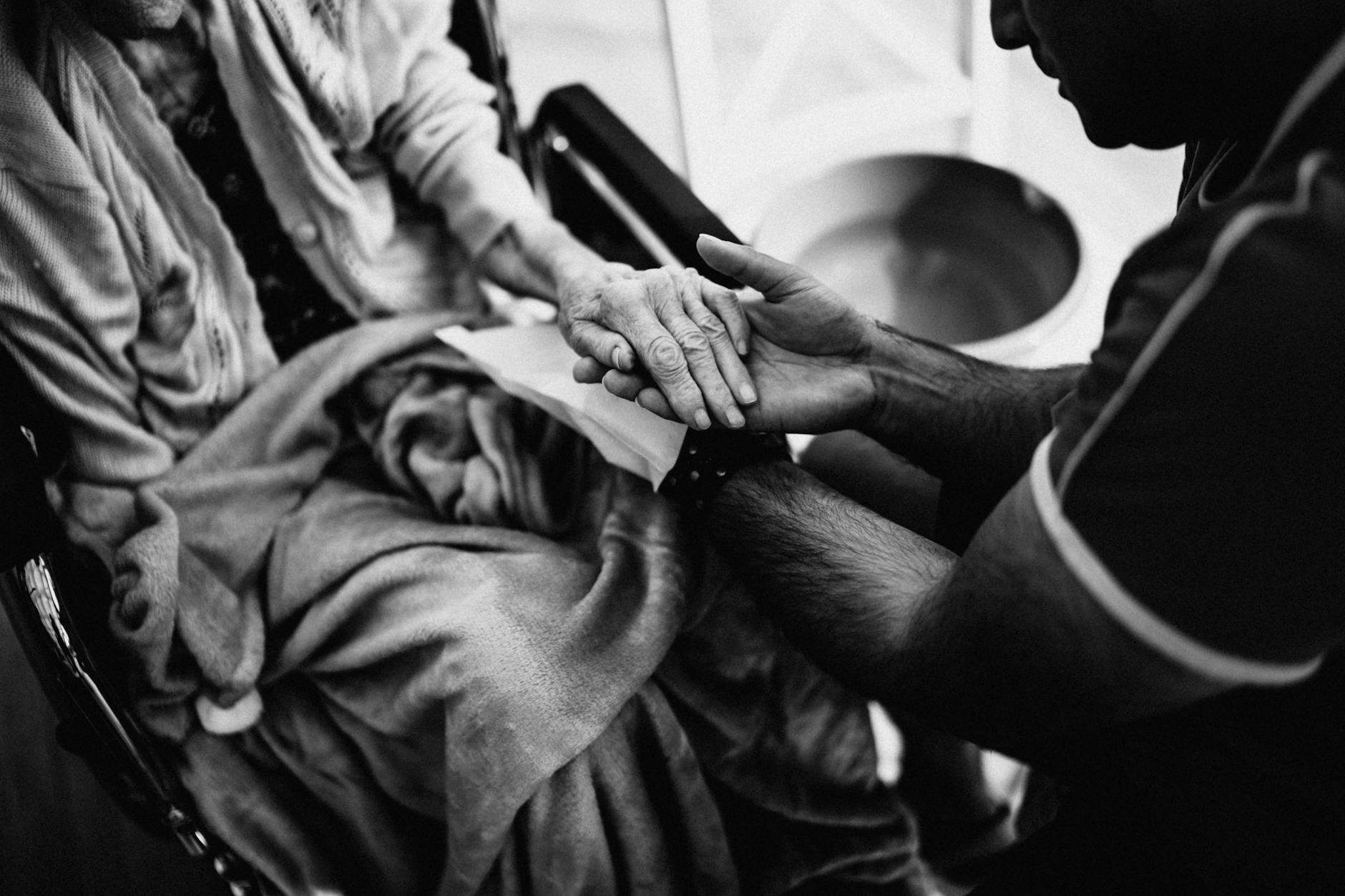
Dehydration nursing home lawsuits hold facilities accountable when staff fail to ensure residents receive adequate fluids—a basic care requirement that many elderly residents cannot manage independently. These cases have resulted in substantial jury verdicts and settlements, including a $45 million recovery secured by the New York Attorney General in 2024 against Centers for Care, LLC for resident neglect across four facilities. What makes dehydration particularly dangerous is its prevalence and preventability: between 20 to 30 percent of elderly adults in care facilities suffer from dehydration, yet it remains one of the most easily addressed forms of neglect through routine monitoring and hydration protocols.
Dehydration in nursing homes typically stems from inadequate supervision, failure to assist non-ambulatory residents, insufficient staffing levels, or negligence in monitoring residents with swallowing difficulties. Unlike acute injuries, dehydration develops gradually, making it easier for facilities to overlook until damage becomes severe. Families pursuing these cases have recovered awards ranging from hundreds of thousands to over $100 million, depending on the extent of injury and whether the resident’s condition resulted in permanent harm or death.
Table of Contents
- Why Is Dehydration Such a Common Problem in Nursing Homes?
- The Cost of Negligence: Major Settlements and Verdicts
- Health Complications That Transform Dehydration Into a Medical Emergency
- Understanding Settlement Ranges and Compensation for Dehydration Cases
- Warning Signs That Your Loved One May Be Dehydrated
- Legal Standards for Hydration Care and Negligence
- Recent Reforms and the Evolving Landscape of Nursing Home Accountability
- Conclusion
Why Is Dehydration Such a Common Problem in Nursing Homes?
Dehydration ranks among the top 10 reasons elderly adults are hospitalized, yet nursing home dehydration represents a largely preventable crisis rooted in staffing shortages and system failures. The prevalence is stark: studies indicate that 20 to 30 percent of elderly residents in care facilities are dehydrated at any given time. This epidemic reflects a systemic problem rather than isolated incidents—many facilities rely on minimal staffing to monitor fluid intake, particularly during evening and night shifts when oversight is reduced. Several factors compound the dehydration problem.
Elderly residents often have diminished thirst sensation, meaning they may not proactively seek water or beverages. Those with cognitive impairment, swallowing disorders, or mobility limitations depend entirely on staff assistance to hydrate. A facility with inadequate staffing cannot meet these needs consistently, and the consequences appear gradually—residents become lethargic or confused, symptoms easily attributed to age or dementia rather than dehydration. By the time family members or medical professionals identify the true cause, significant damage may have occurred.
The Cost of Negligence: Major Settlements and Verdicts
Recent cases demonstrate the severe financial consequences facilities face when dehydration neglect causes injury or death. The New York Attorney General’s 2024 settlement represents one of the largest actions in recent years: $45 million from Centers for Care, LLC specifically included $35 million dedicated to improved resident care and staffing—an acknowledgment that money alone cannot remedy the damage inflicted. Individual jury verdicts have been even larger.
A family in Kentucky won $42.75 million after their loved one became lethally dehydrated and malnourished with severe bed sores—conditions that develop over weeks of inadequate care. Another family recovered $114 million after their relative suffered egregious abuse and neglect. A 2024 Los Angeles County case awarded $2.34 million to an 84-year-old resident, Betsy Jentz, after 132 documented rights violations including failures to provide basic hydration. These verdicts reflect juries’ willingness to hold facilities accountable for the most basic duty: ensuring residents survive through adequate fluid intake.
Health Complications That Transform Dehydration Into a Medical Emergency
Persistent dehydration in nursing home residents triggers a cascade of serious complications that progress rapidly without intervention. Dehydration can cause seizures, kidney failure, and coma—outcomes that represent not merely discomfort but permanent disability or death. Once kidney function deteriorates, residents may require dialysis for life or face a trajectory toward organ failure.
The severity escalates when dehydration combines with malnutrition, as commonly occurs in neglectful facilities. A 79-year-old resident at one facility experienced malnutrition, starvation, open wounds, infections, and dehydration that collectively resulted in death—conditions that accumulated over months of substandard care. His family recovered $2,005,000 in a settlement that acknowledged how interconnected neglect becomes: dehydration impairs cognition, preventing the resident from advocating for food and water; malnutrition weakens immune function, making pressure sores likely to develop and resist healing; infections spread more easily in this weakened state. Each failure compounds the others.
Understanding Settlement Ranges and Compensation for Dehydration Cases
Settlement values for nursing home dehydration cases vary significantly based on the severity of injury, duration of neglect, and whether death occurred. The average nursing home neglect settlement stands at approximately $406,000 as of 2025, but dehydration cases involving death or extreme suffering typically command much higher awards, ranging from $1 million to $3 million or more. A 75-year-old resident developed malnutrition, dehydration, and Stage IV pressure sores—the most severe type—resulting in death, and his family recovered $1 million.
Another case against a Chicago nursing home involved an 88-year-old who fell and whose hydration was not monitored afterward, leading to severe dehydration and death; the facility settled for $800,000. These amounts reflect not only medical damages but recognition of the suffering endured and the loss of life itself. However, families should understand that settlements vary by state, facility assets, quality of evidence, and the lawyer’s negotiating position—not all dehydration cases reach these ranges, and liability must be clearly established through medical records and expert testimony.
📨 Get Free Mass Tort Guides Alerts
Free · No spam · Unsubscribe anytime
Warning Signs That Your Loved One May Be Dehydrated
Families can identify dehydration by observing several key signs that warrant immediate medical attention. Increased confusion or delirium, lethargy, dry mouth and lips, lack of urination or very dark urine, and rapid or weak pulse are all red flags. In vulnerable residents, these symptoms may appear suddenly or be attributed to other conditions, which is why families must actively monitor and ask specific questions about fluid intake.
Barbara Pendley, a 78-year-old at North Point Healthcare & Wellness Centre in Fresno, California, died from severe dehydration—a tragedy that highlights how quickly conditions deteriorate when facilities fail to intervene. If your loved one suddenly becomes less alert, complains of increased thirst, or shows signs of confusion, request immediate medical evaluation and documentation of fluid intake. Document everything: staff responses, whether water is accessible and being offered regularly, and any facility policies regarding hydration. These records become critical evidence if you eventually pursue a claim against the facility.

Legal Standards for Hydration Care and Negligence
Nursing homes have a clear legal duty to provide adequate hydration as fundamental care. This duty encompasses not merely placing water within reach but actively assisting residents who cannot drink independently, monitoring intake, and adjusting care plans if a resident is not consuming sufficient fluids. Negligence occurs when a facility fails to meet this duty—for example, by maintaining staffing so low that hydration rounds do not occur, failing to document fluid intake, or ignoring warning signs of dehydration.
Establishing liability requires demonstrating that the facility’s failure directly caused harm. An attorney will examine staffing logs, care documentation, medical records, and expert opinions to show that dehydration was preventable and resulted from negligence rather than inevitable decline. The most compelling cases include clear documentation of inadequate hydration combined with medical evidence that proper hydration would have prevented or substantially reduced the injury. A facility cannot defend negligence by claiming that an elderly resident simply “did not want to drink” without documenting their reasoning or efforts to encourage hydration.
Recent Reforms and the Evolving Landscape of Nursing Home Accountability
The $45 million New York settlement in 2024 reflects a broader trend toward holding facilities accountable not just financially but through operational reforms. The settlement required improved staffing levels and resident care standards at four facilities—a direct attempt to prevent future dehydration cases rather than merely compensating past victims. This approach suggests that prosecutors and attorneys are shifting focus toward systemic change alongside financial recovery.
As awareness of nursing home dehydration increases and successful cases establish strong precedent, facilities face growing pressure to implement better monitoring systems and adequate staffing. However, the continued high prevalence of dehydration indicates that reforms remain incomplete. Families should expect heightened scrutiny of hydration protocols when evaluating facilities, and recognize that recent high-dollar verdicts signal that courts and juries view dehydration neglect as a serious breach warranting substantial compensation.
Conclusion
Dehydration nursing home lawsuits hold facilities accountable for one of the most preventable forms of neglect—failure to ensure adequate fluid intake for vulnerable residents. With settlements and verdicts ranging from $400,000 to over $100 million, these cases demonstrate that courts and juries recognize dehydration as a serious breach of the duty to care.
The prevalence of dehydration in 20 to 30 percent of elderly residents makes this not an isolated problem but a systemic issue rooted in inadequate staffing and monitoring. If your family member has suffered dehydration-related illness or death in a nursing home, document the warning signs and facility’s response, request complete medical and care records, and consult with an attorney experienced in nursing home negligence. These cases are time-sensitive and require expert analysis of medical causation, but successful recoveries have provided families with resources for ongoing care and accountability for preventable suffering.