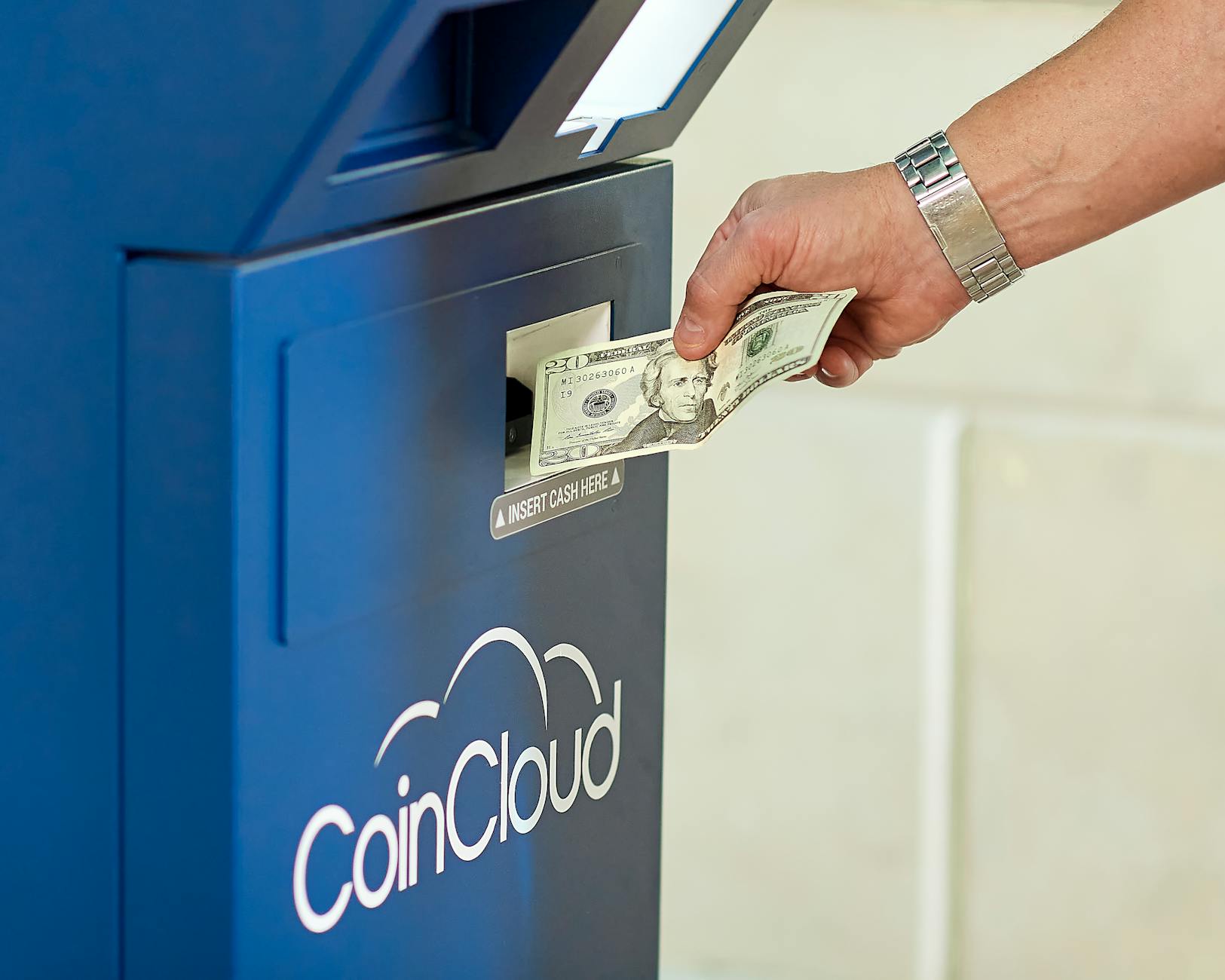
Multiple class action lawsuits have established that Visa and Mastercard engaged in antitrust violations that allowed banks and ATM operators to charge excessive out-of-network fees to consumers. As of April 2026, a $197.5 million settlement approved by the courts is actively distributing payments to eligible class members who were charged ATM surcharges between October 2007 and July 2024. If you withdrew cash from an ATM outside your bank’s network and paid a fee—whether $1.50, $3, or $5—you likely qualified for a claim. For example, a frequent traveler who was repeatedly charged $3 fees at airport ATMs across the country between 2010 and 2020 could be owed compensation from this settlement.
The settlement represents a major antitrust victory after years of litigation. Visa and Mastercard controlled the infrastructure that set surcharge rules, and they allowed networks to impose increasingly aggressive out-of-network fees. The litigation revealed that these companies had the ability to cap or eliminate these fees but chose not to, prioritizing network profits over consumer protection. Beyond the active Mackmin settlement, a second $167.5 million settlement (the Burke settlement) was filed in December 2025 and is awaiting court approval, which could provide additional compensation for independent ATM surcharges.
Table of Contents
- What Are ATM Surcharges and Why Do They Matter in Antitrust Law?
- The Mackmin Settlement—$197.5 Million in Active Payouts
- The Burke Settlement—$167.5 Million Pending Court Approval
- Who Qualifies and How to Check if You’re an Eligible Claimant
- Fraud, False Claims, and Red Flags in ATM Settlements
- How Much Money Are Approved Claimants Actually Receiving?
- The Future of ATM Settlement Litigation and Remaining Cases
- Conclusion
- Frequently Asked Questions
What Are ATM Surcharges and Why Do They Matter in Antitrust Law?
ATM surcharges—the fees charged when you use an ATM outside your bank‘s network—seem like a small inconvenience on the surface. But when multiplied across millions of consumers over decades, they represent billions in extracted wealth. The key legal issue is that Visa and Mastercard maintained control over the rules governing which ATM operators could charge fees and how much. They explicitly allowed—and in many cases incentivized—higher surcharges while simultaneously controlling the payment networks where consumers had limited alternatives. A consumer with a Bank of America account in 2015 might encounter a $3 fee at an independent ATM in a grocery store, plus another transaction fee from their own bank, totaling $5 or more for accessing their own money.
The antitrust violation centered on Visa and Mastercard’s ability to unilaterally set rules that governed these fees across their networks. Unlike other markets where multiple competing payment systems might offer different fee structures, most U.S. consumers had no realistic choice—their bank issued a Visa or Mastercard, and both networks allowed the same surcharge structure. This lack of competition meant that surcharges rose steadily: what started at $0.50–$1.00 in 2007 became $2.00–$3.50 by the mid-2010s. Independent research on the networks showed they actively rejected proposals to cap or eliminate surcharges, even though they technically had the authority to do so.

The Mackmin Settlement—$197.5 Million in Active Payouts
The Mackmin settlement, approved by federal court, provides $197.5 million to consumers who were overcharged on ATM surcharges. Payments began on April 6, 2026, which is significant because this settlement is actively distributing funds now—not years away. The settlement covers the period from October 1, 2007 through July 26, 2024, meaning any out-of-network ATM fees you paid during that 17-year span may qualify you for reimbursement. The claims process concluded on January 22, 2025, so no new claims can be submitted; however, those who filed valid claims before the deadline are receiving payments. A critical detail from the settlement is the massive fraud-screening phase that followed claim submissions. Of the 63.5 million claims submitted, approximately 296,877 were approved as valid. That means 99.5% of claims were flagged as fraudulent or duplicative.
This occurred because many people submitted multiple claims, some submitted claims with incorrect information to inflate damages, and others simply miscalculated their eligibility. The claims administrator’s fraud analysis was rigorous—they cross-referenced payment networks, bank records, and ATM operator data to verify that claimed surcharges actually occurred. This high rejection rate doesn’t mean you shouldn’t have filed if you were eligible; it reflects the reality that many filers made mistakes or attempted to game the system. Payments are being distributed through digital methods: PayPal and virtual debit cards are the primary options. This shift toward digital payments is faster and cheaper than mailing individual checks, which kept settlement costs down. Eligible claimants should expect per-claim payouts in the range of $500–$1,500 depending on the total number of approved claims and final administrative costs. The settlement administrator has published a distribution schedule, and payments are rolling out through mid-2026.
The Burke Settlement—$167.5 Million Pending Court Approval
While Mackmin payouts are currently flowing, a second major settlement is in the approval process: the Burke settlement worth $167.5 million. Filed on December 18, 2025, this settlement addresses a different subset of ATM surcharges—specifically, those charged by independent, non-bank ATM operators. The distinction matters because the original Mackmin case focused on Visa and Mastercard’s role in enabling surcharges across their networks broadly. The Burke settlement narrows the focus to independent operators (like those you’d find in nightclubs, convenience stores, and casinos) who charged surcharges on transactions from October 24, 2007 onward.
The Burke settlement is currently awaiting federal court approval, with a decision expected sometime in 2026. This is an important distinction from Mackmin: Burke claimants cannot yet receive payments because the settlement must clear one more procedural hurdle. However, once approved, this settlement will open a claims period during which new claimants can submit documentation of surcharges paid to independent ATM operators. The settlement could potentially affect millions more consumers who didn’t realize they were eligible for the Mackmin settlement because they focused on independent ATMs rather than bank-affiliated networks.
Who Qualifies and How to Check if You’re an Eligible Claimant
To qualify for the Mackmin settlement, you needed to be a U.S. consumer who paid an out-of-network ATM surcharge between October 1, 2007 and July 26, 2024. Eligibility is broad—there are no income limits, no requirement to be a particular bank customer, and no geographic restrictions within the United States. If you withdrew cash from an ATM not operated by your bank and paid a fee, you qualified. However, proving that eligibility now is harder because the claim deadline has passed. The claims process has already closed as of January 22, 2025. If you submitted a claim before that date and it was approved, you’re in the payment queue.
You can check the status of your claim through the settlement administrator’s website, which maintains a database of approved claimants. If you didn’t file a claim before January 22, 2025, you cannot file one now for the Mackmin settlement. However, the upcoming Burke settlement will open a new claims window once it’s approved by the court, so claimants who focused on independent ATM fees should watch for that announcement. One limitation to understand: the settlement does not reimburse 100% of surcharges paid. Instead, it divides the $197.5 million settlement fund among all approved claimants. If you paid $500 in total surcharges between 2007 and 2024, you won’t necessarily receive $500. The per-claim payout is determined by dividing the available settlement fund by the number of approved claims. With fewer than 300,000 approved claims and a $197.5 million fund, average payouts are relatively modest—enough to matter to individuals, but not a windfall.
Fraud, False Claims, and Red Flags in ATM Settlements
The 99.5% rejection rate in the Mackmin settlement reveals a harsh reality: most people who filed claims made mistakes or committed fraud. Understanding what disqualified the majority of claims helps you recognize if you’re dealing with fraudulent claims administration or scams. The most common reasons for claim rejection included: submitting duplicate claims (filing the same claim twice under different forms), claiming surcharges that couldn’t be verified against actual ATM transaction records, overstating the number of surcharges paid, or submitting claims outside the eligible date range. Some claimants attempted to game the system by estimating surcharges rather than providing documentation. For example, someone might submit a claim stating, “I traveled frequently and probably paid $1,000 in ATM fees over 15 years,” without providing specific transaction dates or amounts. The claims administrator rejected these because they couldn’t verify the underlying facts.
Legitimate claims required specificity: actual ATM withdrawals with corresponding surcharges, ideally backed up by bank statements or ATM operator records. This is important because it means you should distrust any settlement promotion service claiming they can get your claim approved after the deadline has passed—they cannot. Additionally, watch out for ATM settlement scams that have emerged in 2026. Scammers create fake settlement websites claiming to help you claim money in exchange for upfront processing fees. This is a classic settlement scam. The legitimate Mackmin settlement never required an upfront fee—the settlement administrator deducts administrative costs directly from the settlement fund, not from individual claimant payouts. If anyone claiming to represent the ATM settlement asks you for money to process your claim or to “expedite” a payment, they are committing fraud.

How Much Money Are Approved Claimants Actually Receiving?
Based on publicly available information, approved claimants in the Mackmin settlement are receiving payouts ranging from approximately $500 to $1,500 per claim, with the exact amount depending on final settlement costs and the number of approved claimants. These aren’t massive payouts, but they represent legitimate reimbursement for documented overcharges. For context, consider a consumer who used out-of-network ATMs an average of twice per month for 15 years, paying $2.50 per transaction. That’s 360 transactions × $2.50 = $900 in total surcharges.
📨 Get Free Mass Tort Guides Alerts
Free · No spam · Unsubscribe anytime
This claimant might receive a payout of $400–$700 from the settlement, recovering roughly half their documented surcharges. The payout structure reflects the economic reality of settlements: the money available is fixed at $197.5 million, and it must be divided among all eligible claimants. Had 5 million people filed valid claims instead of 296,877, each payout would have been proportionally smaller. Conversely, the massive fraud-screening process that rejected 99.5% of claims actually benefited approved claimants by ensuring the settlement fund was distributed only to people who genuinely qualified, avoiding dilution across fraudulent claims.
The Future of ATM Settlement Litigation and Remaining Cases
The ATM surcharge litigation landscape isn’t finished with Mackmin and Burke. There are ongoing discussions about whether future settlements might address state-level ATM surcharges or cases that didn’t fit neatly into the federal antitrust framework. Additionally, some consumer advocates have questioned whether $197.5 million is sufficient compensation given that Visa and Mastercard’s anti-competitive conduct persisted for nearly two decades and affected over 60 million ATM transactions. However, from a litigation standpoint, these two settlements represent the most significant recoveries consumers have achieved in this area.
Looking forward, the approval of the Burke settlement in 2026 will be a key milestone. If approved, it will provide another opportunity for consumers to claim compensation, though the independent ATM operator surcharges it covers are typically lower than network surcharges. Beyond that, the ATM fee litigation may transition into state-level or more specialized cases. The core legal issue—whether networks have antitrust liability for the fee structures they enable—has been largely resolved in Visa and Mastercard’s disfavor, making future litigation more about quantifying damages than establishing liability.
Conclusion
The $197.5 million Mackmin settlement represents a significant enforcement victory against Visa and Mastercard for enabling excessive ATM surcharges. Approximately 296,877 approved claimants are receiving payouts in 2026, with more distributions expected throughout the year. If you filed a valid claim before the January 22, 2025 deadline, you should have already received a payment or expect one soon. However, if you missed the deadline, the upcoming Burke settlement ($167.5 million, pending approval) may provide a second opportunity to claim compensation if your surcharges primarily involved independent ATM operators.
The key takeaway is that the ATM settlement process is largely concluded for Mackmin, and you cannot file new claims for that settlement. Instead, focus on verifying your payment status through the official settlement administrator if you previously filed a claim. Watch for the Burke settlement approval announcement in 2026, which will open a new claims window. Most importantly, remain vigilant against ATM settlement scams—never pay upfront fees to anyone claiming to help you claim settlement money.
Frequently Asked Questions
Can I still file a claim for the Mackmin ATM settlement?
No. The claim deadline was January 22, 2025, and it has passed. No new claims can be submitted. However, the Burke settlement (covering independent ATM surcharges) is pending court approval and will open a new claims window in 2026.
How much will I receive if my claim was approved?
Payouts range from approximately $500–$1,500 per approved claim, depending on final administrative costs and the total number of approved claimants. The settlement fund of $197.5 million is divided equally among the 296,877 approved claims.
Why were 99.5% of claims rejected as fraudulent?
Claims were rejected for reasons including: duplicate submissions, inability to verify surcharges against actual transaction records, overstating amounts, or falling outside the eligible date range. The claims administrator cross-referenced network data and bank records to verify each claim.
How can I check if my claim was approved?
Visit the settlement administrator’s official website and search the claims database using your claim number or personal information. This is the only legitimate way to check your status.
Are there ATM settlement scams I should watch out for?
Yes. Legitimate settlements never require upfront fees—scammers create fake websites and demand payment to “process” claims. Never pay anyone who claims to represent the ATM settlement.
What is the Burke settlement, and when will I be able to claim?
The Burke settlement ($167.5 million) covers surcharges from independent ATM operators. It’s pending court approval and will likely open for claims in 2026.