
AFFF firefighting foam lawsuit settlements have become one of the most significant mass tort litigations in recent American legal history, with thousands of plaintiffs seeking compensation for cancers and other serious health conditions allegedly caused by exposure to toxic chemicals in aqueous film-forming foam. These lawsuits target manufacturers of AFFF, a specialized foam used since the 1960s to extinguish petroleum-based fires at military bases, airports, refineries, and fire training facilities. The litigation centers on per- and polyfluoroalkyl substances (PFAS), often called “forever chemicals” because they persist indefinitely in the environment and accumulate in human tissue. The stakes in this litigation are enormous. Firefighters, military personnel, airport workers, and communities near contaminated sites have reported elevated rates of kidney cancer, testicular cancer, thyroid disease, and other serious conditions linked to PFAS exposure.
Municipal water supplies serving millions of Americans have been found contaminated with these chemicals, prompting widespread concern about long-term public health impacts. Major chemical manufacturers including 3M, DuPont, Chemours, and others face allegations that they knew about the dangers of PFAS for decades but continued selling their products without adequate warnings. This article examines the current state of AFFF firefighting foam settlements, including the landmark deals already reached, ongoing negotiations, eligibility requirements, and what claimants can expect from the legal process. Readers will gain a comprehensive understanding of how these cases have developed, what compensation may be available, and how to navigate this complex litigation. Whether you are a firefighter who used AFFF throughout your career, a resident whose drinking water was contaminated, or simply someone trying to understand this massive legal action, the information that follows provides essential context for one of the defining environmental lawsuits of our era.
Table of Contents
- What Are AFFF Firefighting Foam Lawsuits and Why Are Settlements Being Reached?
- Major AFFF Settlement Agreements and Compensation Amounts
- Who Qualifies for AFFF Firefighting Foam Lawsuit Settlements?
- How AFFF Lawsuit Settlement Amounts Are Calculated
- Challenges and Delays in AFFF Firefighting Foam Settlement Claims
- The Future of AFFF Litigation and Emerging Legal Developments
- How to Prepare
- How to Apply This
- Expert Tips
- Conclusion
- Frequently Asked Questions
What Are AFFF Firefighting Foam Lawsuits and Why Are Settlements Being Reached?
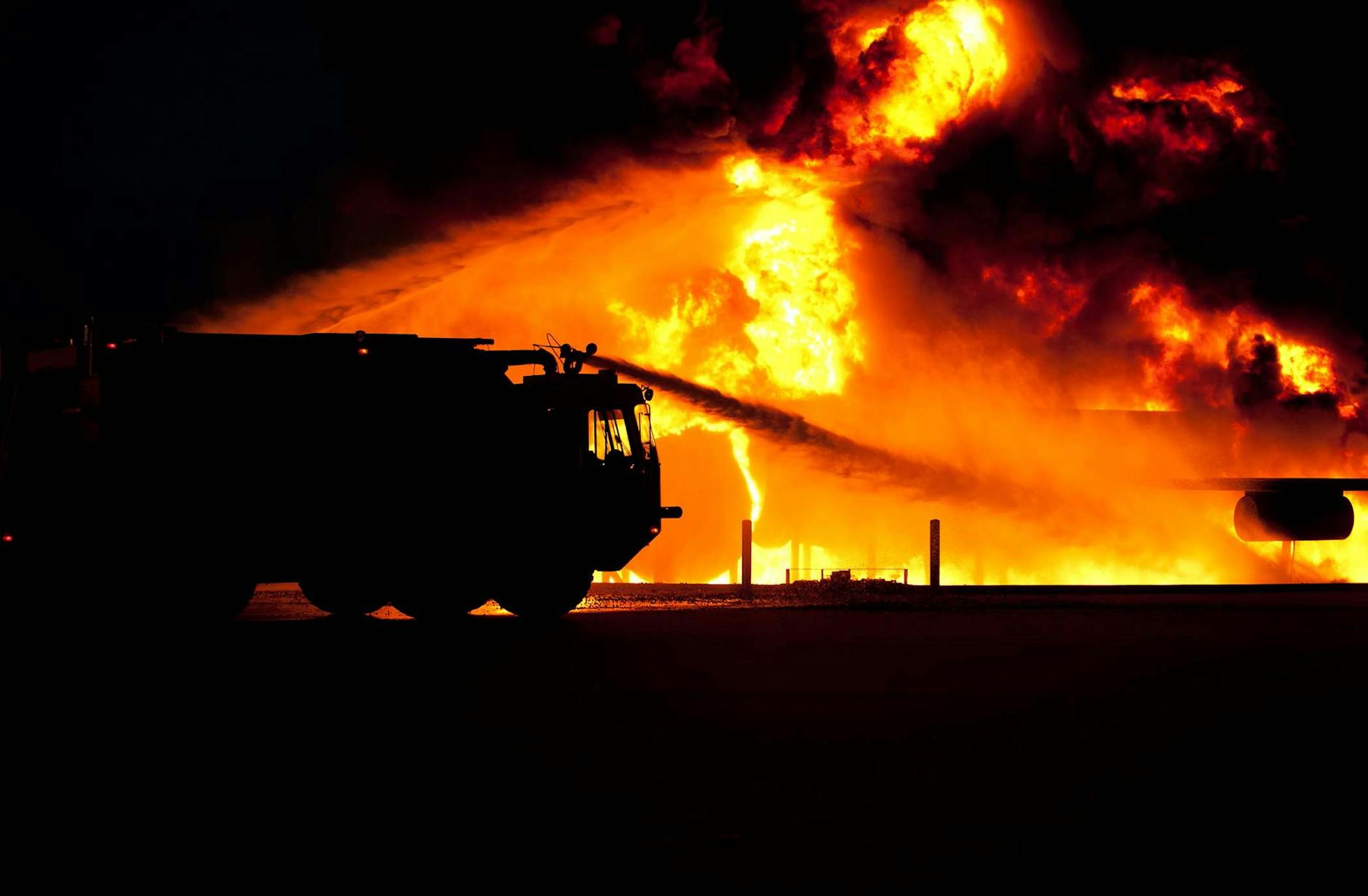
AFFF firefighting foam lawsuits are civil actions brought by individuals and municipalities against the companies that manufactured and sold aqueous film-forming foam containing PFAS chemicals. These lawsuits allege that manufacturers knew or should have known that the PFAS in their products posed serious health risks but failed to warn users or take steps to make their products safer. The litigation has consolidated into multidistrict litigation (MDL) No. 2873 in the U.S. District Court for the District of South Carolina, where thousands of individual cases are being managed together for pretrial proceedings. settlements are being reached because both plaintiffs and defendants have compelling reasons to resolve these cases outside of trial. For defendants, the sheer volume of claims—exceeding 7,000 individual cases and hundreds of municipal water contamination suits—creates massive legal exposure that could result in unpredictable jury verdicts.
Several bellwether trials were scheduled to test the strength of plaintiffs’ evidence, and manufacturers faced the prospect of losing multiple cases with substantial damages. For plaintiffs, settlements provide certainty of compensation without the risk of losing at trial or waiting years for appeals to conclude. The scientific evidence linking PFAS to various cancers has grown increasingly robust, giving plaintiffs significant leverage in negotiations. The settlement process in AFFF litigation follows a pattern seen in other mass torts like asbestos, tobacco, and opioid cases. Initial settlements typically resolve specific categories of claims—such as municipal water contamination cases—while personal injury claims continue to be negotiated. Settlement frameworks establish criteria for compensating different injuries at different levels, with the most serious conditions like kidney cancer and testicular cancer commanding the highest payouts. These agreements often include provisions for future claimants who have not yet been diagnosed but may develop AFFF-related illnesses.
- AFFF lawsuits allege manufacturers concealed known health risks of PFAS chemicals
- Cases have consolidated into MDL 2873 in South Carolina federal court
- Settlements provide resolution without the uncertainty and delay of trials

Major AFFF Settlement Agreements and Compensation Amounts
The most significant AFFF firefighting foam settlement to date came in June 2023, when 3M announced it would pay between $10.3 billion and $12.5 billion over 13 years to resolve claims brought by public water systems across the United States. This settlement, finalized in 2024, compensates municipal water utilities for the costs of testing for PFAS contamination and installing treatment systems to remove these chemicals from drinking water. The agreement covers water systems serving the vast majority of Americans and represents one of the largest environmental settlements in history. However, this settlement specifically addresses water contamination claims and does not resolve personal injury lawsuits brought by individuals who developed cancer or other diseases. DuPont and its spinoff companies Chemours and Corteva reached a separate settlement in 2023, agreeing to pay $1.185 billion to resolve municipal water contamination claims. This amount supplements the 3M settlement and provides additional funding for water treatment infrastructure.
The DuPont settlement also established a framework for addressing certain legacy contamination issues related to PFAS manufacturing sites. These corporate settlements followed earlier resolutions, including a 2017 settlement by DuPont and Chemours that created a $670 million fund for residents near a West Virginia PFAS manufacturing plant. Personal injury settlements in AFFF litigation are still developing, with the structure and amounts varying based on injury type, exposure history, and other factors. Based on settlements in related PFAS litigation and the progression of the MDL, legal experts estimate that individual claimants with qualifying cancers could receive settlements ranging from $75,000 to $300,000 or more, depending on the severity of their illness and strength of their exposure evidence. Cases involving wrongful death may command higher amounts. Several test cases and bellwether trials have helped establish the value of different claim types, providing benchmarks for global settlement negotiations.
- 3M agreed to pay $10.3-$12.5 billion for municipal water contamination claims
- DuPont, Chemours, and Corteva contributed $1.185 billion in additional water system settlements
- Individual personal injury settlements are expected to range from $75,000 to $300,000+ depending on injury severity
Who Qualifies for AFFF Firefighting Foam Lawsuit Settlements?
Eligibility for AFFF lawsuit settlements depends on several factors, including the type of claim, documentation of exposure, and medical diagnosis. For municipal water contamination settlements, public water systems that detect PFAS at specified levels qualify for compensation to offset testing and treatment costs. These claims are handled through the water utility rather than individual residents. For personal injury claims, eligibility typically requires documented occupational or environmental exposure to AFFF combined with a qualifying medical diagnosis. The strongest personal injury claims come from individuals who worked directly with AFFF over extended periods. This includes career firefighters who used the foam during fire suppression and training exercises, military personnel stationed at bases where AFFF was routinely used, civilian airport workers and crash response teams, and employees at oil refineries and chemical plants.
These occupational claimants often have employment records, training logs, and other documentation establishing their exposure history. Residents living near military bases, airports, or industrial facilities where AFFF contaminated groundwater may also qualify, though proving their exposure can be more challenging. Qualifying medical conditions for personal injury claims generally include kidney cancer, testicular cancer, thyroid cancer, bladder cancer, prostate cancer, liver cancer, pancreatic cancer, non-Hodgkin lymphoma, and ulcerative colitis. The scientific literature most strongly supports the connection between PFAS exposure and kidney and testicular cancers, and these diagnoses typically receive the highest settlement values. Claimants must generally provide medical records documenting their diagnosis, and many settlement frameworks require a determination that the plaintiff would not have developed the condition but for their PFAS exposure. This causation requirement means that factors like smoking history, family medical history, and other potential causes will be considered.
- Occupational exposure through firefighting, military service, or industrial work strengthens claims
- Qualifying conditions include kidney cancer, testicular cancer, thyroid disease, and other PFAS-linked illnesses
- Documentation of both exposure history and medical diagnosis is essential for eligibility
How AFFF Lawsuit Settlement Amounts Are Calculated
Settlement compensation in AFFF litigation is determined through a points-based system that accounts for multiple variables. The most important factor is the nature of the plaintiff’s medical condition. Tier 1 injuries—those with the strongest scientific connection to PFAS exposure—include kidney cancer, testicular cancer, and certain thyroid conditions. These diagnoses command the highest point values and corresponding settlement amounts. Tier 2 and Tier 3 conditions with somewhat weaker but still recognized PFAS links receive proportionally lower point allocations. Exposure duration and intensity significantly affect settlement calculations. A firefighter who used AFFF hundreds of times over a 25-year career will typically receive more compensation than someone with more limited exposure.
Settlement matrices often include multipliers based on years of exposure, frequency of contact with AFFF, and whether the plaintiff lived in an area with documented water contamination. Age at diagnosis also plays a role, with younger plaintiffs sometimes receiving additional compensation based on lost earning capacity and reduced life expectancy. The settlement calculation process resembles those used in other mass torts, where standardized formulas enable efficient processing of thousands of claims while still accounting for individual circumstances. Other factors influencing settlement amounts include the strength of causation evidence, medical expenses incurred, lost wages, and pain and suffering. Plaintiffs who can demonstrate that their cancer was diagnosed at an advanced stage, required extensive treatment, or resulted in permanent disability typically receive higher awards. Wrongful death cases brought by surviving family members include additional damages for loss of consortium and funeral expenses. Settlement administrators apply these criteria consistently across claims to ensure fairness, though individual amounts can still vary significantly based on each plaintiff’s specific situation.
- Points-based systems weigh injury severity, exposure duration, and causation evidence
- Tier 1 cancers like kidney and testicular cancer receive the highest settlement values
- Individual factors including age, medical expenses, and lost wages affect final compensation
Challenges and Delays in AFFF Firefighting Foam Settlement Claims
The sheer scale of AFFF litigation presents significant administrative challenges that can delay settlement payouts. With thousands of claimants and complex eligibility criteria, processing claims requires extensive documentation review and verification. Many claimants struggle to obtain complete employment records proving their exposure history, particularly those who worked at facilities that have since closed or whose records were inadequately maintained. Military service members face additional hurdles navigating Department of Defense records systems to document their exposure at specific bases. Causation disputes remain contentious even as settlements proceed. Defendants continue to argue that the science linking PFAS to specific cancers is less definitive than plaintiffs claim, and individual claimants may face challenges proving that their particular cancer was caused by AFFF exposure rather than other factors.
Settlement frameworks typically include provisions for resolving these disputes, but contested cases can take substantially longer to process. Claimants with multiple potential cancer risk factors—smoking history, family predisposition, or other occupational exposures—may receive reduced settlements or have their claims denied entirely. The multi-year payout structure of the 3M municipal settlement also creates timing challenges. Rather than providing immediate lump-sum payments, the agreement spreads compensation over 13 years, meaning water systems must continue financing treatment infrastructure while waiting for full reimbursement. Some smaller utilities have expressed concern about their ability to front these costs. For individual personal injury claimants, the timeline from filing a lawsuit to receiving settlement funds can stretch to several years, particularly for cases that require additional medical documentation or exposure verification. Claimants who are seriously ill or elderly may find these delays especially difficult.
📨 Get Free Mass Tort Guides Alerts
Free · No spam · Unsubscribe anytime
- Documentation requirements for employment and exposure records can be burdensome
- Causation disputes may reduce settlements for claimants with other cancer risk factors
- Multi-year payout structures mean compensation arrives gradually rather than immediately

The Future of AFFF Litigation and Emerging Legal Developments
AFFF firefighting foam litigation continues to evolve as new scientific evidence emerges and additional defendants face claims. While the major municipal water settlements with 3M and DuPont have resolved a significant portion of contamination claims, personal injury litigation remains active with ongoing settlement negotiations. Additional manufacturers of AFFF and PFAS chemicals may face lawsuits as plaintiffs’ attorneys identify other potentially responsible parties. Some states have filed their own litigation against AFFF manufacturers, seeking compensation for state-funded cleanup efforts and public health impacts.
Regulatory developments are also shaping the litigation landscape. The Environmental Protection Agency has established drinking water standards for certain PFAS compounds, creating new obligations for water systems and potentially expanding the universe of contaminated sites. The Department of Defense has committed billions of dollars to PFAS remediation at military installations, and these cleanup efforts may reveal additional contamination that supports future claims. Congress has considered legislation that would facilitate PFAS litigation and establish compensation funds, though these proposals remain pending.
How to Prepare
- **Gather employment and service records** that document your exposure to AFFF. For firefighters, this includes employment verification, training records, and station assignments. Military personnel should obtain their complete service record, including duty station assignments and job specialties. Request these documents early, as obtaining military records can take several months.
- **Compile your complete medical history** related to the qualifying condition. This includes pathology reports confirming your diagnosis, treatment records, imaging studies, and physician notes. If possible, obtain a letter from your treating oncologist or specialist explaining your diagnosis and treatment course. Medical records from the time of initial diagnosis are particularly important.
- **Document your exposure history in detail** by creating a written timeline of when, where, and how often you came into contact with AFFF. Note specific training exercises, fire responses, or work assignments involving the foam. If you lived near a contaminated site, gather any available information about the contamination, including news reports, EPA notices, or community advisories.
- **Research your potential claim’s value** by reviewing publicly available settlement information and consulting with a qualified attorney. Understanding the settlement matrix criteria will help you assess the strength of your case. Many attorneys offer free consultations and can evaluate your claim’s potential.
- **File before deadlines expire** by understanding the statute of limitations in your state. Personal injury claims must typically be filed within a certain number of years from diagnosis or from when you knew or should have known about the connection between your illness and AFFF exposure. Missing these deadlines can permanently bar your claim.
How to Apply This
- **Contact an experienced AFFF attorney** who handles mass tort litigation. Most work on contingency, meaning you pay nothing upfront and they receive a percentage of any settlement. Look for firms with specific AFFF litigation experience and resources to handle complex cases.
- **Complete intake paperwork** providing detailed information about your exposure history, medical diagnosis, and personal background. Be thorough and accurate, as this information forms the foundation of your claim.
- **Authorize release of records** so your legal team can obtain employment, military, and medical documentation on your behalf. They will compile a comprehensive claim file supporting your eligibility for settlement compensation.
- **Participate in the claims process** by responding promptly to requests for additional information, attending any required medical examinations, and staying in communication with your legal team throughout what can be a multi-year process.
Expert Tips
- **Preserve all original documents** including firefighting gear, employment badges, training certificates, and medical records. These materials can serve as evidence and should not be discarded even if copies have been made.
- **Avoid discussing your claim on social media** or in public forums, as defendants may monitor these discussions and statements you make could potentially be used against you. Keep details of your case confidential.
- **Track all expenses related to your illness** including medical bills, prescription costs, travel for treatment, lost wages, and any modifications needed to your home or lifestyle. These documented costs support your damages claim.
- **Be patient but persistent** throughout the settlement process. Mass tort litigation moves slowly, and individual claims can take years to resolve. Regular check-ins with your attorney ensure your case stays on track.
- **Consider whether a settlement offer meets your needs** before accepting. While early settlement provides certainty, waiting for global settlement negotiations to conclude may result in better terms. Your attorney can advise on timing.
Conclusion
AFFF firefighting foam lawsuit settlements represent a significant legal reckoning for decades of PFAS contamination affecting firefighters, military personnel, and communities across the United States. The billions of dollars committed by 3M, DuPont, and other manufacturers acknowledge the widespread harm caused by these persistent chemicals, though no amount of money can fully compensate those who have developed cancer or lost loved ones. As the litigation continues, additional settlements will likely emerge, and the framework for compensating personal injury claims will become more defined.
For those affected by AFFF exposure, understanding your rights and options is the essential first step toward obtaining fair compensation. The scientific evidence linking PFAS to serious health conditions continues to strengthen, and manufacturers face increasing legal and regulatory pressure to address the contamination they caused. If you believe you have been harmed by exposure to firefighting foam, consulting with an experienced attorney can help you evaluate your claim and navigate the complex settlement process. This litigation offers a path toward accountability and compensation for those who served their communities as firefighters and military members, only to suffer serious illness as a result.
Frequently Asked Questions
How long does it typically take to see results?
Results vary depending on individual circumstances, but most people begin to see meaningful progress within 4-8 weeks of consistent effort. Patience and persistence are key factors in achieving lasting outcomes.
Is this approach suitable for beginners?
Yes, this approach works well for beginners when implemented gradually. Starting with the fundamentals and building up over time leads to better long-term results than trying to do everything at once.
What are the most common mistakes to avoid?
The most common mistakes include rushing the process, skipping foundational steps, and failing to track progress. Taking a methodical approach and learning from both successes and setbacks leads to better outcomes.
How can I measure my progress effectively?
Set specific, measurable goals at the outset and track relevant metrics regularly. Keep a journal or log to document your journey, and periodically review your progress against your initial objectives.
When should I seek professional help?
Consider consulting a professional if you encounter persistent challenges, need specialized expertise, or want to accelerate your progress. Professional guidance can provide valuable insights and help you avoid costly mistakes.
What resources do you recommend for further learning?
Look for reputable sources in the field, including industry publications, expert blogs, and educational courses. Joining communities of practitioners can also provide valuable peer support and knowledge sharing.
You Might Also Like
- Zantac Lawsuit Settlement Amounts Per Person
- What Is a Class Action Lawsuit and How Does It Work
- Talcum Powder Lawsuit Settlement Amounts